Pam Grier Quotes
Coming from the '50s, things were very violent. We were still being lynched. If I drove down through the South with my mother, I might not make it through one state without being bullied or harassed. I feel like unless you've been black for a week, you don't know.
Harris, Will. "Pam Grier." The A.V. Club, G/O Media, 7 Nov. 2012.


Reconstruction was the period in the South after the Civil War. The change that emancipation brought to the white South was traumatic, and there was a constant struggle between those who wanted the Blacks to be integrated into Southern Society—and those Southerners who wanted to create a society that would be as close to slavery as possible, So the Klu Klux Klan and other terrorist organizations formed and with lynching and other intimidation, much of the initial progress of Reconstruction was rolled back and did not get reinstated until the Civil Rights and Voting Rights Acts were passed in 1964.

Blacks were fighting and dying in WWII. They were equal when they were under fire, but otherwise not. The war was against fascist protagonists whose creed was inequality while the allies were upholding freedom and equality. But making that aspiration a reality was difficult.


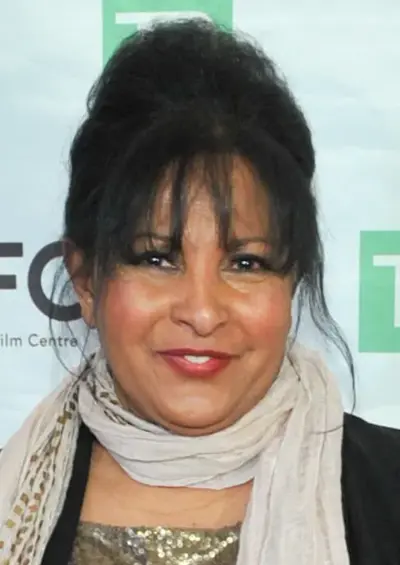
Pamela Suzette Grier, PhD is an American actress. She achieved fame for her starring roles in a string of 1970s action, blaxploitation, and women in prison films for American International Pictures and New World Pictures, most notably Coffy (1973) and Foxy Brown (1974). Her other major films during this period included The Big Doll House (1971), Women in Cages (1971), The Big Bird Cage (1972), Black Mama, White Mama (1973), Scream Blacula Scream (1973), The Arena (1974), Sheba, Baby (1975), Bucktown (1975), and Friday Foster (1975).
