George Herbert Quotes
Chuse none for thy servant who have served thy betters.
Herbert, George. Outlandish Proverbs, Selected by Mr. G. H. Printed by T. Paine for Humphrey Blunden, 1640.


Chivalry was a set of rules that regulated the behavior of knights especially as to their behavior in battle. It was the Medieval equivalent of the Geneva Convention. At the time knights fought against knights and peasants fought against peasants. After time the fighting was mixed. Previously, if a knight was subdued by other knights, he would surrender and promise to fight any more and that would be honored. But when a small group of peasants brought down a knight in armor, he could not surrender. He had probably killed other lightly armored peasants who were friends, and the peasants did not trust the knights. So typically, the peasants just killed the fallen knight. Social class determined the concepts of honor, fairness, trust, and chivalry came to an end.

This concept was one of the main selling points that the Southern leadership used to invest poor whites in the Confederate cause. The poor white, no matter how bad off he’s was, cold always see himself above the Negroes who were fit for being a servant while he was above that.


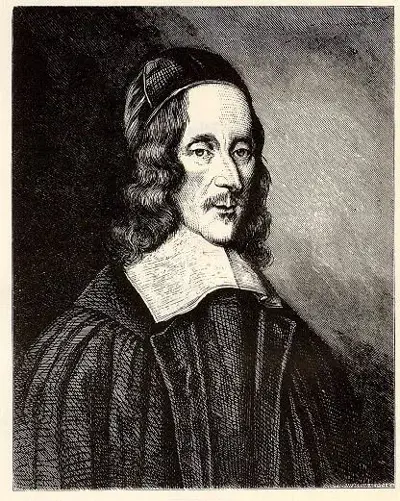
George Herbert was a Welsh-born poet, orator, and priest of the Church of England. His poetry is associated with the writings of the metaphysical poets, and he is recognised as "one of the foremost British devotional lyricists." He was born into an artistic and wealthy family and largely raised in England. He received a good education that led to his admission to Trinity College, Cambridge, in 1609. He went there with the intention of becoming a priest, but he became the University's Public Orator and attracted the attention of King James I. He served in the Parliament of England in 1624 and briefly in 1625.
