Robert Dale Owen Quotes
Can you look forward to the future of our country and imagine any state of things in which, with slavery still existing, we should be assured of permanent peace? I cannot.
Owen, Robert Dale. "To the President of the United States." The Policy of Emancipation: In Three Letters to the Secretary of War, the President of the United States, and the Secretary of the Treasury, J. B. Lippincott & Co., 1863.


President Lincoln and Several of the Commanding Union Generals had declared that black slaves were free during the midst of the Civil War under the legal theory that if the slaves were property of the rebels, then they cold be seized as “contraband” and removed from the control of those who had committed treason. The question was, what would happen to those now free Negroes after the war? Many Negro leaders were anxious that if there were surrender, then the status quo ante might prevail and the Negroes—many have who had fought for the Union might be returned to slavery. This speech by the Secretary of State alarmed them further. This is why the Emancipation Proclamation was so important and even that might have been overturned by a subsequent President. This is why Lincoln, the white radical Republicans and the Black leadership placed so much emphasis on passing the 13th Amendment.


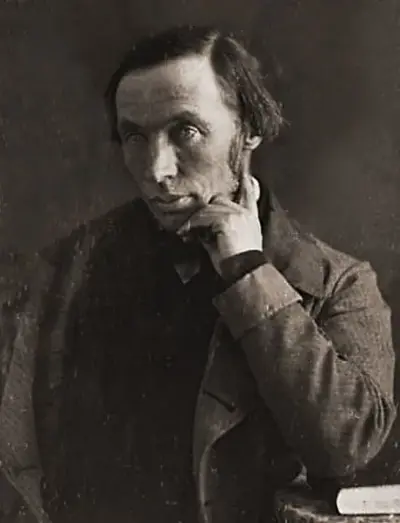
Robert Dale Owen was a Scottish-born Welsh social reformer who immigrated to the United States in 1825, became a U.S. citizen, and was active in Indiana politics as member of the Democratic Party in the Indiana House of Representatives (1835–39 and 1851–53) and represented Indiana in the U.S. House of Representatives (1843–47). As a member of Congress, Owen successfully pushed through the bill that established Smithsonian Institution and served on the Institution's first Board of Regents. Owen also served as a delegate to the Indiana Constitutional Convention in 1850 and was appointed as U.S. chargé d'affaires (1853–58) to Naples.
