Gerrit Smith Quotes
True, permanent peace can never be restored, until slavery, the occasion of the war, has ceased.
Smith, Gerrit. Speeches and Letters of Gerrit Smith: From January, 1863, to January, 1864, on the Rebellion. American News Company, 1864.


At the time all the Arab armies were attacking Israel. Many Arabs joined the assault or evacuated to return with the “victorious” Arab armies. Many others stayed in Israel. The former became the refugees of the area. The latter, are citizens of Israel with the best health and education in the Middle East and the only Arabs who have the freedom of living in a democracy.


The irony was that it was by warfare that he conquered most of the Hawaiian Islands and formed them into a kingdom.


President Lincoln and Several of the Commanding Union Generals had declared that black slaves were free during the midst of the Civil War under the legal theory that if the slaves were property of the rebels, then they cold be seized as “contraband” and removed from the control of those who had committed treason. The question was, what would happen to those now free Negroes after the war? Many Negro leaders were anxious that if there were surrender, then the status quo ante might prevail and the Negroes—many have who had fought for the Union might be returned to slavery. This speech by the Secretary of State alarmed them further. This is why the Emancipation Proclamation was so important and even that might have been overturned by a subsequent President. This is why Lincoln, the white radical Republicans and the Black leadership placed so much emphasis on passing the 13th Amendment.


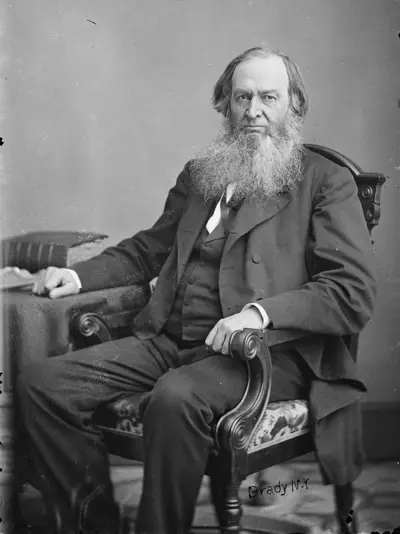
Gerrit Smith, also spelled Gerritt, was a leading American social reformer, abolitionist, politician, and philanthropist. Spouse to Ann Carroll Fitzhugh, Smith was a candidate for President of the United States in 1848, 1856, and 1860, but only served 18 months in the federal government—in Congress as a Free Soil Party Representative, in 1853–4.
