James Henry Hammond Quotes
But if there were no other reason why we should never have war, would any sane nation make war on cotton? Without firing a gun, without drawing a sword, should they make war on us we could bring the whole world to our feet.
This is an excellent example of the delusion that many Southerners functioned under regarding the importance of cotton to the economy of the nation. There were New York merchants and some New England ship owners who profited from the export of cotton, but cotton contributed very little to the economy of the North and the Midwest while it was essential to the South representing a huge percentage of their output. Industrialization was growing all over the country except in the South where slavery and cotton both held it back. When the South finally decided on war, they did not realize that the North would be able to embargo their cotton exports nor did they realize how little the rest of the country needed the cotton industry It was another great example of political hubris.
James Henry Hammond, 1807-1864, Governor of South Carolina (States Rights Free Trader), U.S. Senator (States Rights Democrat, SC) “Mudsill Speech,” March 4, 1858
Sourced by: Eigen's Political and Historical Quotations


Hoover and most Republicans were generally opposed to sanctions and an instrument of foreign policy. 25 years after his presidency, the Republican Party started embracing sanctions as a tool of foreign policy and by the end of the 20th century, Republicans were sanction hawks. This quotation illustrates how American political parties and their philosophies change over time.

Instructing the navy not to act precipitously during the Cuban missile crisis:


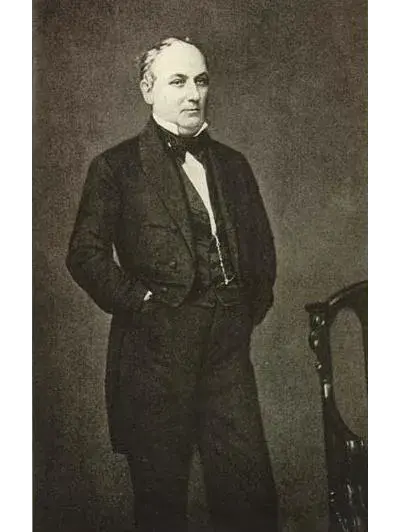
James Henry Hammond was an attorney, politician, and planter from South Carolina. He served as a United States Representative from 1835–36, the 60th Governor of South Carolina from 1842–44, and United States Senator from 1857 to 1860. He was considered one of the major spokesmen in favor of slavery in the years before the American Civil War.
