John Milton Quotes
Blind mouths! That scarce themselves know how to hold A sheep-hook.
Milton, John. "Lycidas." Justa Edouardo King Naufrago, Thomas Buck and Roger Daniel, 1638, lines 119-120.


This is one of the FDR quotations, which his opponents then, and many conservatives later, characterized as “class warfare.” This type of accusation has in part protected business leaders and those who control wealth from public accountability. Similar business leader resentment was levied against President Obama when he criticized the Bankers and Wall Street leaders whose behavior, in great part, was the cause of the economic meltdown and recession of 2008.

This was one of the many cases of blatant corruption Seabury found in New York that were politically connected with Tammany Hall. Farley was not only the Sheriff of New York, but was also the head of the Tammany Hall political machine. Governor Roosevelt removed him from his position as Sheriff, but did not have the legal authority to purge him from Tammany Hall where Farley stayed as leader, but organized a round of testimonial dinners where he was the “guest of honor” that was paid for and attended by most New York businessmen and politicians. It was however, the beginning of the end of Tammany Hall as the voters finally ousted the Tammany Hall mayor and overall reform followed.


TR won the Nobel Peace prize for mediating between Czarist Russia and the Japanese both of which believed he thought well of them.

This quotation is interesting for two reasons. First, this is one of the most severe criticisms of a cabinet and ministers in English history. The second reason of interest is that it was these same ministers who made the policies and the decisions that would bring on the American Revolution. Were it not for the incompetence, there might not be a United States today. Pitt’s son later also castigated the ministers. See {641503}.


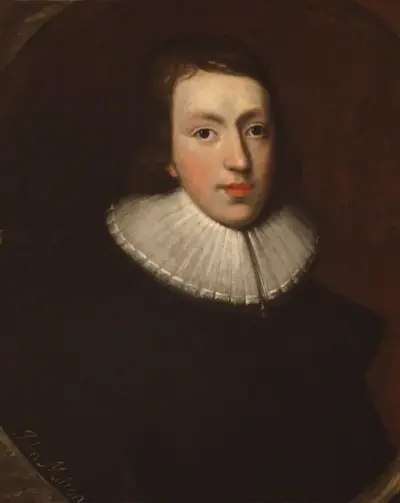
John Milton was an English poet and intellectual who served as a civil servant for the Commonwealth of England under its Council of State and later under Oliver Cromwell. He wrote at a time of religious shifts and political instability, and is best known for his epic poem Paradise Lost (1667). Written in blank verse, Paradise Lost is widely considered to be one of the greatest works of literature ever written.
