Iqbal Quadir Quotes
Barack Obama has talked a lot about changing the way America relates to the world, and few areas are as ripe for reform as our policies on foreign aid.
Quadir, Iqbal. "Fixing Foreign Aid." Forbes, 2009.


Passman’s committee controlled foreign aid appropriations and there was considerable political hostility to the U. S. aid program as it had been implemented by Kennedy and Eisenhower. Johnson was concerned that if he did not maintain the same level of foreign aid that JFK had, the change would be misinterpreted by most countries who did not realize that this was a domestic political squabble.


At the time there were some very isolationist leaders of the Republican Party and the party was split. Willkie, who was then a possible Republican Presidential Candidate, absolutely shocked partygoers of both parties but especially Senator Taft who himself was a strong isolationist and potential candidate himself. Loyal party members then as now are always expected to support the nominee of the party regardless of their positions. However, Hitler and fascism were considered such a serious risk to the United States and the world, by men like Willkie that the usual party politics did not apply.


The “gentlemen: were 4 ultraconservative members of Congress who objected to our sending surplus food to India when they had a terrible famine. India was “non-aligned” in the Cold War and the Congressmen did not want to send them food unless they allied with us against the Russians. India was a fledgling democracy at the time and was vulnerable to bad weather and crop failure. Once, our food helped them get on their feet, they improved their agricultural production and today they have sufficient food stored so that they can survive major agricultural crises.


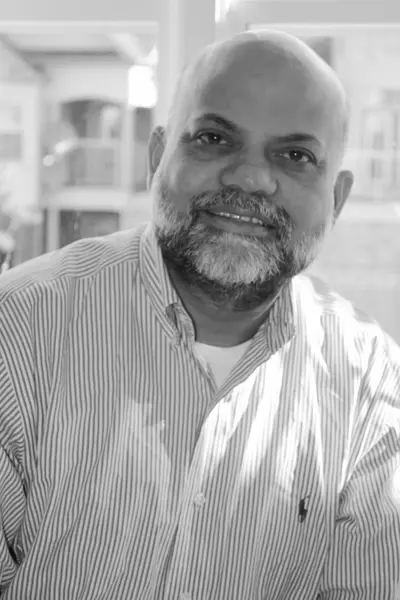
Iqbal Z. Quadir (Bengali: ইকবাল জেড. কাদীর) is an entrepreneur and promoter of the role of entrepreneurship and innovations in creating prosperity in low-income countries. He has taught at Harvard Kennedy School and at Massachusetts Institute of Technology.
