J. William Fulbright Quotes
As a conservative power, the United States has a vital interest in upholding and expanding the reign of law in international relations.
Fulbright, J. William. The Arrogance of Power. Random House, 1966.


The threat to which Rubin was referring was the fact that the United States, the largest dues payer to those organizations were in arrears on their dues—financially strapping the organizations. The reason for the arrears was a combination of 3 forces. There was conservative dissatisfaction with many of the policies and decisions of these international bodies. There was an effort to produce badly needed reform in those organizations, ranging from lack of transparency to toleration of massive corruption that was strongly resisted. Last, the United Nations was culturally very different from what Americans are used to with the diplomatic niceties taking precedence over candor and “telling it like it is, first class travel and accommodations for United Nations staff and consultants, sumptuous offices in many countries including America, and a civil service not based on merit but with quotas of nationality.


The United States position was that United Nations approval is not required when it is acting to defend itself as the United Nations Charter gives every nation the unilateral right of self defense. America justified the action on the ground that the Iraqis were in violation of the UN resolution regarding weapons of mass destruction and if Iraq had or was developing such weapons, the United States would be a likely target and the Iraq leadership had already called for death and destruction to America so their intention was clear. No such weapons were found.


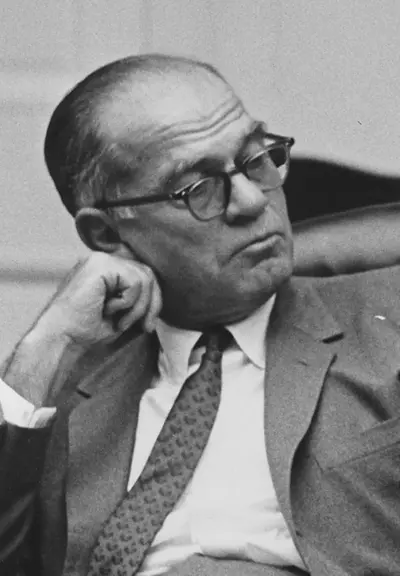
James William Fulbright was an American politician, academic, and statesman who represented Arkansas in the United States Senate from 1945 until his resignation in 1974. As of 2021, Fulbright is the longest serving chairman in the history of the United States Senate Committee on Foreign Relations. He is best known for his staunch multilateralist positions on international issues, opposition to American involvement in the Vietnam War, and the creation of the international fellowship program bearing his name, the Fulbright Program.
