James Agee Quotes
And a human being whose life is nurtured in an advantage which has accrued from the disadvantage of other human beings, and who prefers that this should remain as it is, is a human being by definition only, having much more in common with the bedbug, the tapeworm, the cancer, and the scavengers of the deep sea.
Agee, James, and Walker Evans. Let Us Now Praise Famous Men. Houghton Mifflin, 1941.

Ingersoll was considered to be the greatest orator and political thinker of his day, but his overt atheistic views curtailed his elected political career.


What makes this quotation particularly interesting is that The American Enterprise Institute is a highly conservative “think tank” and Brooks himself, a leading conservative. Usually, conservatives are chided by the rest of the political spectrum for ignoring issues of fairness. In this case, an influential conservative not only admits this, but his article argues that it is desirable not to consider fairness in political decision making. Since conservative parties generally represent the more affluent members of a society, fairness arguments rarely help that constituency and are typically avoided by conservatives. However, few admit that. Here is an exception.

The reason this quotation is important, it was the first time in American history that a President had tied racial discrimination to morality. Before that other Presidents had argued against segregation on pragmatic grounds or on legal, Constitutional grounds. Kennedy’s private moral declaration had a huge impact on Black leaders throughout the country who heard about it by word of mouth. That statement forged a bond between JFK and Blacks while most whites did not see anything striking in the statement.


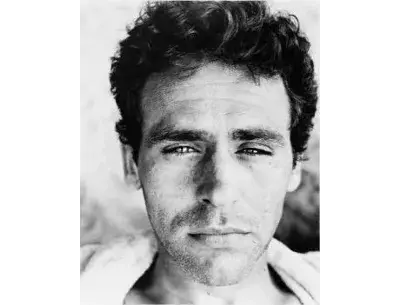
James Rufus Agee was an American novelist, journalist, poet, screenwriter and film critic. In the 1940s, he was one of the most influential film critics in the U.S. His autobiographical novel, A Death in the Family (1957), won the author a posthumous 1958 Pulitzer Prize.
