Robert G. Ingersoll Quotes
All religions are inconsistent with mental freedom. Shakespeare is my bible, Burns my hymn-book.
Ingersoll, Robert G. "The Gods." The Works of Robert G. Ingersoll, vol. 1, Dresden Publishing Co., 1902, p. 24.


Jefferson wrote his friend that the New England clergy had opposed him because he would block their efforts to merge church and state. Inscribed in the rotunda of the Jefferson Memorial in Washington DC. The third sentence is often quoted without the first two.

The modernity of this ancient leader is striking. For another example see his view on the importance of engendering supportive public opinion: XXX


The wording was rejected and the delegates insisted upon the original proposed language: “Well aware that Almighty God hath created the mind free …” This is a very important historical quotation because it shows that Henry and a few others wanted to make the society Christian centric, However, the majority insisted that it be non-sectarian. Many of the delegates rejecting the “Jesus Christ” language were themselves practicing Christians, but they were aware of the terrible religious wars and strife in Europe and between Christians and Muslims as well as the persecution of Jews, Quakers, and other sects; they did not want that in America so they rejected the idea of an established Christian Church or culture.

Despite this clear statement, later the Colonial legislature withdrew the franchise from Roman Catholics. See {624149}. Despite this temporary restriction of religious freedom, Rhode Island and Connecticut were far ahead of the other New England colonies in freedom of conscience.


Her sister, Mary, the previous Queen, had over 200 Englishmen burned at the stake for their Protestant beliefs. Elisabeth wanted no part of the government trying to determine or regulate the religious beliefs of Englishmen.


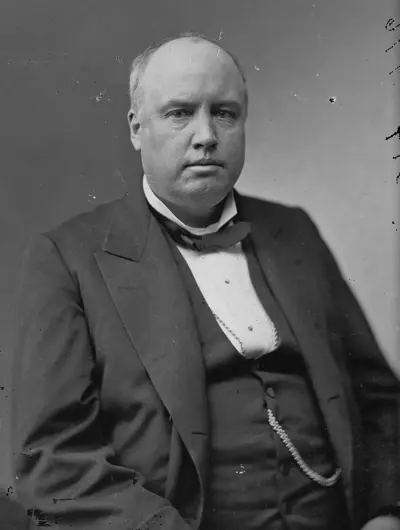
Robert Green "Bob" Ingersoll was an American lawyer, a Civil War veteran, political leader, and orator of the United States during the Golden Age of Free Thought, noted for his broad range of culture and his defense of agnosticism. He was nicknamed "The Great Agnostic". Ingersoll was considered to be the greatest orator and political thinker of his day, but his overt atheistic views curtailed his elected political career.
