William Cobbett Quotes
All my plans in private life; all my pursuits; all my designs, wishes, and thoughts, have this one great object in view: the overthrow of the ruffian Boroughmongers. If I write grammars; if I write on agriculture; if I sow, plant, or deal in seeds; whatever I do has first in view the destruction of those infamous tyrants.
Cobbett, William. Cobbett's Weekly Political Register, vol. 33, W. Jackson, 1818, p. 251.


This was not exactly a complement. Adams was outraged by Paine’s overt and public atheism and anti religious statements. (See {623040}.) Others of the founding fathers were also atheists but Paine wrote publicly and actively tried to persuade people of his religious position. Adams was particularly concerned because Paine was not just one of the great leaders of the American Revolution. His was the most recognized name, and a huge percentage of the American population had read his Common Sense. He was the person who was most persuasive with the mass of Americans to revolt—more so than Jefferson, Washington, Madison, Franklin or any of the other great men of the time. Because Paine was so influential, Adams thought that he should be more passive in shaking the religious faith of so many others. Actually, it was Paine’s overt atheism that has tended to diminish his influence and status given by historians throughout the ages. It also caused him some difficulty in America after the Revolution and moreso in England.


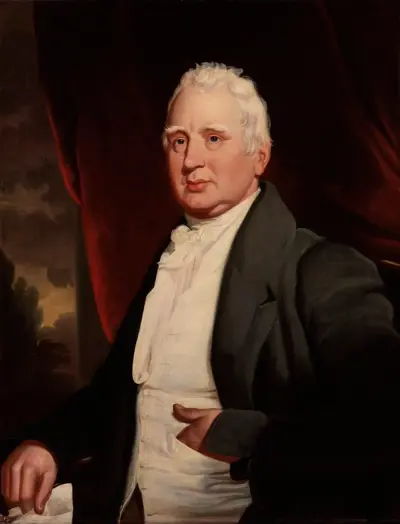
William Cobbett was an English pamphleteer, journalist, Member of Parliament and farmer born in Farnham, Surrey, one of a popular agrarian faction seeking to reform Parliament, abolish "rotten boroughs", restrain wanton foreign activity and increase wages, to promote domestic peace and ease poverty among farm labourers and smallholders. He backed lower taxes, saving, reversing enclosures of commons and resisting the gold standard of 1821. He sought an end to borough-mongers, sinecurists and "tax-eaters" (overpaid and corrupt bureaucrats, public servants and stockbrokers), and dismissed British Jews in a typecast by the same token. Early in life he was a soldier and devotee of king and country, but later pushed for a radicalism that helped to produce the Reform Act 1832 and gain him one of two seats in Parliament for the newly enfranchised borough of Oldham. He urged Catholic emancipation. He saw British agriculture and other economic output geographically. His polemics cover subjects from political reform to religion. His best known book is Rural Rides (1830, still in print). He argued against Malthusianism that economic betterment could support global population growth.
