Ludwig von Mises Quotes
All almsgiving inevitably tends to pauperize the recipient.
von Mises, Ludwig. Socialism: An Economic and Sociological Analysis. Jonathan Cape, 1936.

This was quite unusual at the time when Kings were more interested in buying the loyalty and support of the rich and powerful nobles.


The quotation is from Walzer, but the idea was originated by the Jewish Rabbi, Physician and Philosopher Maimonides (1135-1204) who Walzer credits. This idea is really at the historical and philosophical backbone of all welfare reform efforts. Maimonodes, for example, argued that one of the greatest forms of charity is giving a person money or other assistance to start a business.


Gregory the Great. “Emoluments” included the income from all lands and other church property, gifts and tithes, and income of any sort. This formula characterized the division of resources for the better part of Christian history. By today’s standard, the proportion for these Bishops (there were those who chose poverty) and his household seems astoundingly high—his income and sustenance was the equal of all the priests in the bishopric. It illustrates the affluence of the bishops who were major forces in their territories. One of the rationales for such an affluent bishop (the assets were not all personal but he had control of them) was that he should be at least the equal of any in the area including kings and nobles for he was to have as much influence as they. It is difficult today to look at modern bishops and realize how their role, power, relative wealth, and influence has changed. Bishops had their own armies, judiciary, accountants, attorneys and were a government unto themselves.


This kind of ethical and moral commitment to others who are need distinguished Kasich from most Republicans of his time.

This quotation is one of the earliest social safety nets. It is also one of the strictures of Jesus, to which most Christian communities have not strongly adhered. It is the religious foundation for welfare.
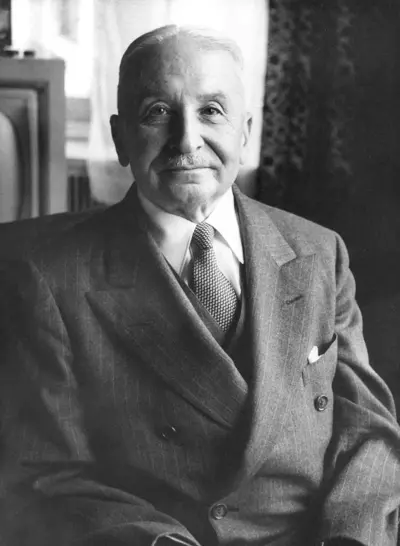
Ludwig Heinrich Edler von Mises was an Austrian School economist, historian, logician and sociologist. Mises wrote and lectured extensively on the societal contributions of classical liberalism. He is best known for his work on praxeology, a study of human choice and action.
