Sabine Baring-Gould Quotes
According to Celtic law, all sons equally divided the inheritance and principalities of their father.
Baring-Gould, Sabine. A Book of Brittany. Methuen & Co., 1901, p. 89.

This early form of estate tax was a very popular act, as inheritors no longer had to pay the full "market price" of the estate to the state in order for the family to continue possession. Thus the estate tax was a welcome alternative for the then wealthy families.


Primogeniture is the system where property is inherited from the father to the first born son. At the time women could not own property unless they were widows. It is the basis of most aristocracies. See {627010} for an American view of primogeniture that was stated a little earlier.


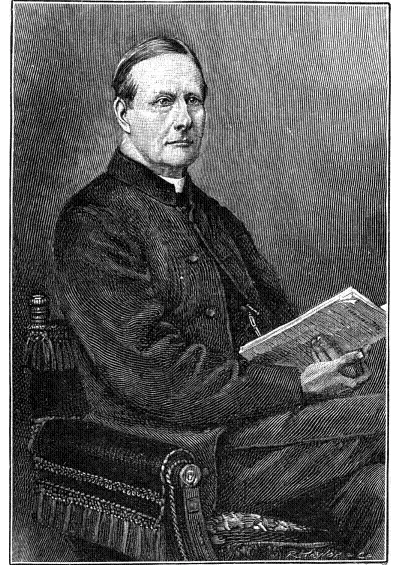
The Reverend Sabine Baring-Gould of Lew Trenchard in Devon, England, was an Anglican priest, hagiographer, antiquarian, novelist, folk song collector and eclectic scholar. His bibliography consists of more than 1,240 publications, though this list continues to grow. His family home, the manor house of Lew Trenchard, near Okehampton, Devon, has been preserved as he had it rebuilt and is now a hotel. He is remembered particularly as a writer of hymns, the best-known being "Onward, Christian Soldiers", "Sing Lullaby", and "Now the Day Is Over". He also translated the carol "Gabriel's Message" from the Basque language to English.
