Ambrose Bierce Quotes
ACCOMPLICE, n. One associated with another in a crime, having guilty knowledge and complicity, as an attorney who defends a criminal, knowing him guilty. This view of the attorney's position in the matter has not hitherto commanded the assent of attorneys, no one having offered them a fee for assenting.
Bierce, Ambrose. The Devil's Dictionary. The Neale Publishing Company, 1911, p. 13.


He was one of the few “national security hawks” who was willing to place this issue in the public table. In the 21st Century, there were some Muslims living in Democratic countries who were or had just become radical Islamic extremist jihadist by religious belief and philosophy. Some would preach or advocate violence in terrorism against Democracy and the west. Many of these people with radical Islamic beliefs would give material aid and comfort to terrorists and some would themselves engage in terrorist activities themselves. When they did, it was too late to prevent tragedies. So there was this population of emotional and intellectual terrorists who could act on their beliefs at any moment. These are what Hayden referred to as the “not yet guilty”. Preventive detention could protect against serious terrorist attacks. But the legal system of virtually every democracy had no legal bases to incarcerate or move against anyone for his/her beliefs or speech. Criminal charges required action other than thoughts, beliefs or speech. But by waiting until there is terrorist action, the law enforcement authorities give up the ability to prevent the terrorist action. Some were advocating changes in this fundamental and traditional distinction of law enforcement.


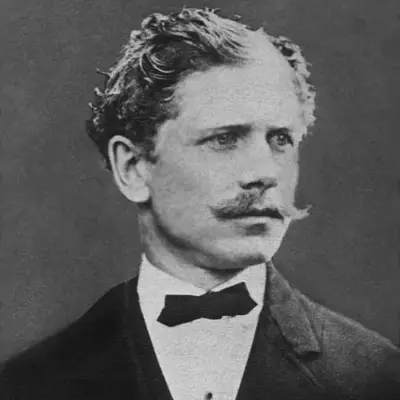
Ambrose Gwinnett Bierce was an American short story writer, journalist, poet, and Civil War veteran. His book The Devil's Dictionary was named as one of "The 100 Greatest Masterpieces of American Literature" by the American Revolution Bicentennial Administration. His story "An Occurrence at Owl Creek Bridge" has been described as "one of the most famous and frequently anthologized stories in American literature"; and his book Tales of Soldiers and Civilians (also published as In the Midst of Life) was named by the Grolier Club as one of the 100 most influential American books printed before 1900.
