Thucydides Quotes
Abstinence from all injustice to other major powers is a greater tower of strength than anything that can be gained by the sacrifice of permanent tranquility for a seeming temporary advantage.
Thucydides, c. 460 BC -c. 400 BC, Ancient Greek Historian, History of the Peloponnesian War, Book 1
Sourced by: Eigen's Political and Historical Quotations

See Benedict Spinosa for an earlier absense or war view. Also, JFK more recently.


Every major Western power and Japan were looking to control parts of China for their own mercantile advantage. The Emperor, her adopted son, had stated that under no circumstances would the Chinese fight, but Cixi issued this decree, in effect, overruling the Emperor—a remarkable occurrence.

While it is true that thus far in human history war has been the only way, that does not necessarily mean that that is the only way. The establishment of free trade used to be only accomplished by force or arms or fear of such, but in modern times, common markets and trading zones are being created for economic and domestic desires for economic development. Even most non democratic countries have wanted to create a larger market for its goods and services and have joined larger organizations irrespective of military defeat and its fear. See {553984} for perspective and hope relating to this quotation.


The Spanish had been beaten and bloodied by England, but no one else until Napoleon would come along later. So it was easy for Spain to bully and dominate the non-English countries.


It was interesting that Reagan as a political presidential Republican candidate would criticize the foreign policy of the previous Republican Party. However the policy was created by President Richard Nixon who had but a small reservoir of support after Watergate.


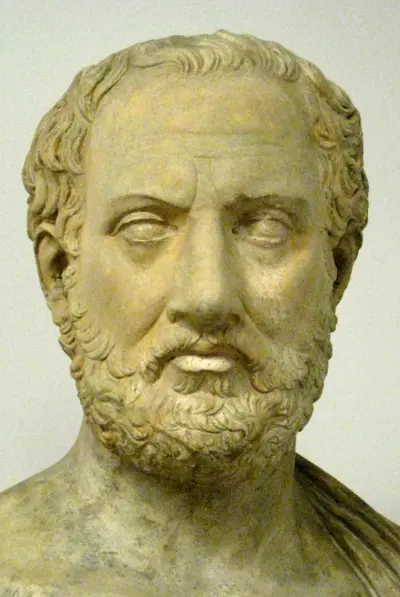
Thucydides (/θjuːˈsɪdɪdiːz/; Ancient Greek: Θουκυδίδης Thoukūdídēs [tʰuːkyːdídɛːs]; c. 460 – c. 400 BC) was an Athenian historian and general. His History of the Peloponnesian War recounts the fifth-century BC war between Sparta and Athens until the year 411 BC. Thucydides has been dubbed the father of "scientific history" by those who accept his claims to have applied strict standards of impartiality and evidence-gathering and analysis of cause and effect, without reference to intervention by the deities, as outlined in his introduction to his work.
