Edward Snowden Quotes
A zero-day exploit is a method of hacking a system. It's sort of a vulnerability that has an exploit written for it, sort of a key and a lock that go together to a given software package. It could be an internet web server. It could be Microsoft Office. It could be Adobe Reader or it could be Facebook.


Many computer experts and security operatives view this kind of advice and strategy as counter-productive as there are some computer security extremists who so harden computer systems and networks that they function poorly and cause really harmful operational problems. The classic case was the FBI agent in Minnesota who before 9-11 had information that Muslims foreigners were taking flying lessons. She wanted to get the information to the national security FBI people, but she was not allowed to send the information by e-mail. Instead she had to use a "secure" system that was much slower and could not be viewed by the people who might have been able to connect the dots and do something about it. The FBI has now a better balance between functionality and security, but it is a good example of how "security fanaticism" can make us less safe.
A few weeks before, the computers of the Democratic National Committee were hacked and thousands of private and confidential e-mails were made public. The security experts claimed that the hackers came from Russia.

There is a constant race between the developers of hacking and cyberattack software and the developers of security and protective software.


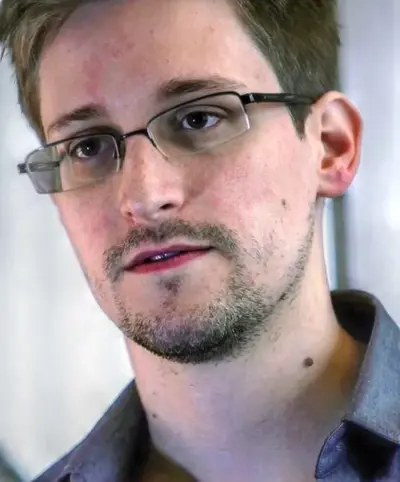
Edward Joseph Snowden is a former computer intelligence consultant who copied and leaked highly classified information from the National Security Agency (NSA) in 2013 when he was a Central Intelligence Agency (CIA) employee and subcontractor. His disclosures revealed numerous global surveillance programs, many run by the NSA and the Five Eyes Intelligence Alliance with the cooperation of telecommunication companies and European governments, and prompted a cultural discussion about national security and individual privacy.
