Norman Lindsay Quotes
A writer who presents men and women as creatures truncated below the waist is exposed as one who goes about without his trousers saying, 'see, I have had my testicles removed.'
Lindsay, Norman. My Mask: For what little I know of the man behind it. Angus & Robertson, 1970.

This quotation illustrates what a misogynist Limbaugh was. An Italian “study” claimed that there was a difference in penis size. The study was never replicated and the results are very doubtful. However, the notion that the cause and responsibility for male sexual size shrinkage is feminism is so physiologically absurd that his irrationality over gender issues becomes clear.


Much of the culture of sexism and racism is perpetuated by language—especially the language of leaders, role, models, and authority figures. “Political correctness” cannot, in a free society, be enforced on anyone. However, making people aware of the implication of certain kinds of language usage is important provided it doesn’t cross the line of curtailing freedom of speech. People who want to perpetuate sexism by their choice of language have the right to do so in America. What is sad, however is the many people who are perpetuating sexism without ever intending to do so. Abdul-Jabbar has been a leader who has made many male sports figures more aware if the implications of their language usage.


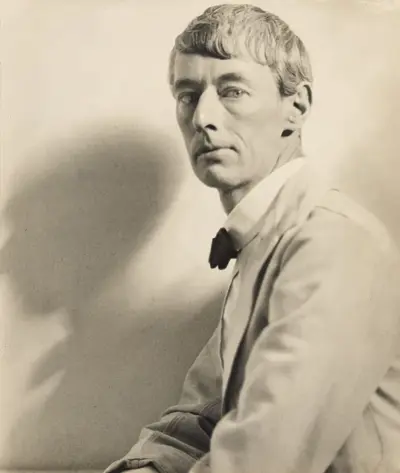
Norman Alfred William Lindsay was an Australian artist, etcher, sculptor, writer, art critic, novelist, cartoonist and amateur boxer. One of the most prolific and popular Australian artists of his generation, Lindsay attracted both acclaim and controversy for his works, many of which infused the Australian landscape with erotic pagan elements and were deemed by his critics to be "anti-Christian, anti-social and degenerate". A vocal nationalist, he became a regular artist for The Bulletin at the height of its cultural influence, and advanced staunchly anti-modernist views as a leading writer on Australian art. When friend and literary critic Bertram Stevens argued that children like to read about fairies rather than food, Lindsay wrote and illustrated The Magic Pudding (1918), now considered a classic work of Australian children's literature.
