Khalil Gibran Quotes
A voice cannot carry the tongue and the lips that gave it wings. Alone must it seek the ether. And alone and without his nest shall the eagle fly across the sun.
Gibran, Kahlil. The Prophet. Alfred A. Knopf, 1923, p. 106.


In the golden intellectual and science eras of Arabian Islam from 900-1300 individualism and independence of thought were much cherished virtues. In the 1100s, there began a period of theological and intellectual closing where the individual’s views were expected to conform to that of the then “proper” interpretation of the Koran and Islamic Dominance over all things. By the 1300s there were few Arab Muslims who would speak out for individual freedom of thought and rugged intellectual independence from the doctrine of the times. He was one of the few who advocated being back to the “old days” when Islam was far ahead of the intellectual thinking of the world. Few paid heed and Arab Islam has for the last 800 years been a shadow of its former intellectual achievements and has become a backward, stultified set of societies where one rarely finds an intellectual who does not depend on the community consensus and the values of the mullahs and muftis of the time rather than their own.


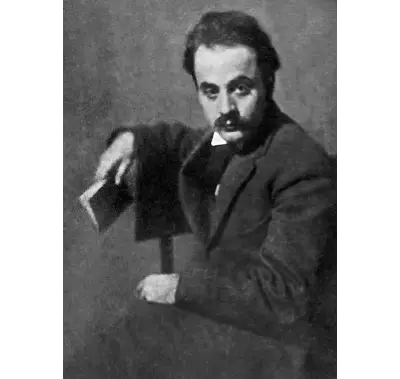
Gibran Khalil Gibran, usually referred to in English as Kahlil Gibran (pronounced /kɑːˈliːl dʒɪˈbrɑːn/ kah-LEEL ji-BRAHN), was a Lebanese-American writer, poet and visual artist, also considered a philosopher although he himself rejected the title. He is best known as the author of The Prophet, which was first published in the United States in 1923 and has since become one of the best-selling books of all time, having been translated into more than 100 languages.
