Ambrose Bierce Quotes
A statesman who shakes the fruit trees of his neighbors - to dislodge the worms.
Bierce, Ambrose. The Devil's Dictionary. Neale Publishing Company, 1911.


See Benedict Spinosa for an earlier absense or war view. Also, JFK more recently.


While it is true that thus far in human history war has been the only way, that does not necessarily mean that that is the only way. The establishment of free trade used to be only accomplished by force or arms or fear of such, but in modern times, common markets and trading zones are being created for economic and domestic desires for economic development. Even most non democratic countries have wanted to create a larger market for its goods and services and have joined larger organizations irrespective of military defeat and its fear. See {553984} for perspective and hope relating to this quotation.


See {640521} for the trigger of his anger. This is a good example of a politician using indiscreet hyperbolic terms in anger. In a different time, the President might have been accused of planning extermination and genocide of the Cuban people.


Although Great Britain had abolished slavery, British economic interests during the Civil War suffered because of the northern blockade of the South. Much political opinion in England was hostile to the blockade policies of the Union. Bright, a great admirer and supporter of the United Sates and the Union cause was concerned that the United States might drift into War with Great Britain. His letter to Senator Sumner was written with the understanding that it would be in shared with President Lincoln, and it was actually read at a cabinet meeting.
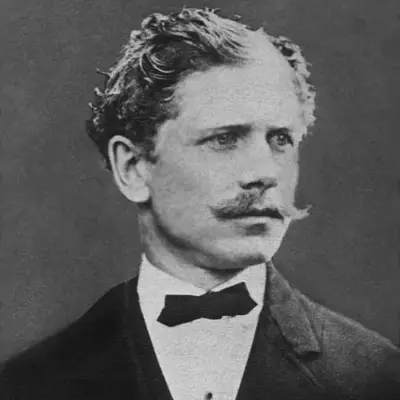
Ambrose Gwinnett Bierce was an American short story writer, journalist, poet, and Civil War veteran. His book The Devil's Dictionary was named as one of "The 100 Greatest Masterpieces of American Literature" by the American Revolution Bicentennial Administration. His story "An Occurrence at Owl Creek Bridge" has been described as "one of the most famous and frequently anthologized stories in American literature"; and his book Tales of Soldiers and Civilians (also published as In the Midst of Life) was named by the Grolier Club as one of the 100 most influential American books printed before 1900.
