Victoria Woodhull Quotes
A reform in the system of criminal jurisprudence, by which the death penalty shall no longer be inflicted . . . and by which our so-called prisons shall be virtually transformed into vast reformatory workshops, from which the unfortunate may emerge to be useful members of society, instead of the alienated citizens they now are.
Woodhull, Victoria C. "Equal Rights Party Platform." Woodhull & Claflin's Weekly, May 1872.


While Woodhull was an ardent feminist, she had a complete platform dealing with almost all aspects of society. At the time, women were unable to vote, and the support she did get came from men. She was a serious candidate. She was appealing to most of the mens issues of the time.


He sounds here like a modern left-wing prison reform candidate. However, in {614901} he sounds like a modern right wing conservative. Smith had written to most of the then likely Presidential candidates of both major parties asking for their position on the Mormons who were facing persecution wherever they went. None of the politicians would make any satisfactory commitments. Smith took Direct Action and became the only major religious official to have run for the Presidency of the United States until Pat Robertson tried and failed in 2000. Smith’s assassination shortly thereafter cut his run for the Presidency short before it made much headway and politically he had no chance to affect the race.


This quotation is surprising to many because the National Association of Evangelicals is a very conservative organization which is usually at the right wing of political and social issues. However, religions are generally more complex with nuanced positions compared to political parties. On the issue of Prisons, the National Association of Evangelicals is at the left wing of the political spectrum.

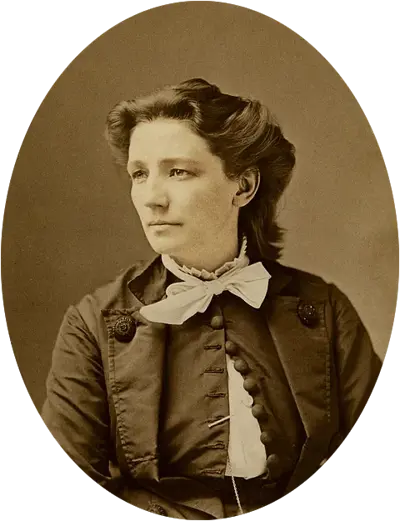
Victoria Claflin Woodhull, later Victoria Woodhull Martin, was an American leader of the women's suffrage movement who ran for President of the United States in the 1872 election. While many historians and authors agree that Woodhull was the first woman to run for the presidency, some disagree with classifying it as a true candidacy because she was younger than the constitutionally mandated age of 35 (Woodhull's 35th birthday was in September 1873, seven months after the March inauguration). However, election coverage by contemporary newspapers does not suggest age was a significant issue; this may, however, be due to the fact that few took the candidacy seriously.
