Walter Cronkite Quotes
A lot of the questions raised about television's power and influence on events have applied throughout history to every mass-communications medium - most particularly print, because that's the medium we've had the longest.
Cronkite, Walter. A Reporter's Life. Knopf, 1996.


Given the early year, with television available in only New York and large cities and hardly any viewers, it is fascinating that White could see the importance of the new medium. Masters of old media tend to underestimate the power and advantage of new media.


Nixon shortly thereafter hired Ailes to run his television campaign operations. At the time, there was still much debate as to whether television had any serious place in political campaigning. Ailes was not only ahead of his time conceptually, but developed many of the basic techniques that politicians used with television for years thereafter.

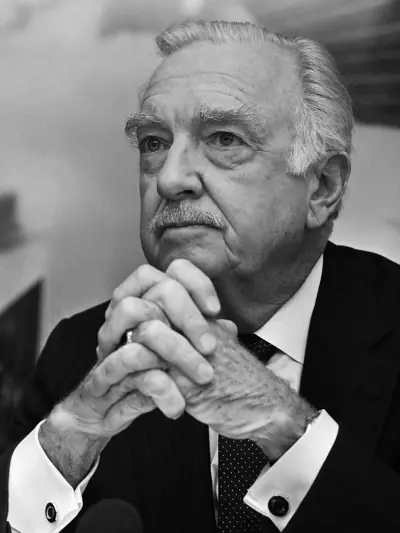
Walter Leland Cronkite Jr. was an American broadcast journalist who served as anchorman for the CBS Evening News for 19 years (1962–1981). During the 1960s and 1970s, he was often cited as "the most trusted man in America" after being so named in an opinion poll. Cronkite reported many events from 1937 to 1981, including bombings in World War II; the Nuremberg trials; combat in the Vietnam War; the Dawson's Field hijackings; Watergate; the Iran Hostage Crisis; and the assassinations of President John F. Kennedy, civil rights pioneer Martin Luther King Jr., and Beatles musician John Lennon. He was also known for his extensive coverage of the U.S. space program, from Project Mercury to the Moon landings to the Space Shuttle. He was the only non-NASA recipient of an Ambassador of Exploration award. Cronkite is known for his departing catchphrase, "And that's the way it is", followed by the date of the broadcast.
