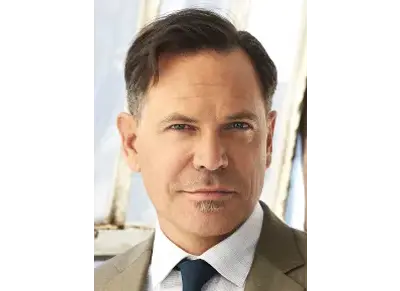
A lot of the commercial world wants to bank in on the cachet that jazz brings.
My passion is music, you know, and music influences culture, influences lifestyle, which leads me to 'Roc-A-Wear'. I was forced to be an entrepreneur, so that led me to be CEO of 'Roc-A-Fella' records, which lead to Def Jam.
I've met plenty of CMOs in life, and I always say that I've never met any that can hold a candle to rock stars, who I truly believe are the greatest brand managers in the world.
I don't do albums for album sales. I just do it as a conversation piece and a business card.
The plan is to make money, and we know the fans are going to ask for mixtapes, and those mixtapes are going to hit. So when we put a tape out, we have more money coming in, that's why we work hard at it.
I started playing piano age six. I was also singing in the choir, so my mum put me into music school. I went to study there for seven years, but it was not my passion. I quit because I wanted to study marketing. But I can still play piano.
As a producer putting up music, I wasn't dropping a project to do this much numbers or make this amount of money, I really just dropped a project for the streets and the culture of music.
You can be a supergroup without having good songs.
Labels are curators of taste, and the best ones know how to monetize what an artist is trying to do.
Chance The Rapper makes some of the greatest music out, and he build his brand up organically, and the fans have reacted to it.
Just sharing music with each other - that's cool. It's the selling that becomes the problem.
There are thousands of great artists that wouldn't be doing the same kind of work if there were no music business machine. The ones who are popular would be doing much different work, too. Michael Bolton would be pumping gas.
The reason for a lot of bands not making it is because they don't really understand that your job is sort of divided into two different things. It's one thing creating it... It's like being an architect but also a construction worker.
With music there's so many limbs and facets. Video and touring and merchandise and all those little things require attention. They're artist things but I tend to joke around too much with those things.
Spice Girls appealed to little girls. It wasn't good music - mums would buy the albums for their kids - it was all about the gimmicks.
I really do love pop. I understand songwriting, I understand the business, and I'm not stuck in any one particular time period.
I think these days, as an artist, you have to be slightly entrepreneurial. ...Nobody really sells records anymore.
The music business is strictly business.
Imagine a music business where all the music press talked about, all day long, was cover bands of old rock and pop groups. Beatles cover bands, Rolling Stones cover bands, The Who cover bands, Led Zeppelin cover bands. Cover bands, cover bands, everywhere you go.
Interscope Records has always been a heat-seeking missile when it comes to shifts in popular culture, whether inciting them or reacting to them swiftly.
Music as a business is a dirty thing.
The reason why Roc-A-Fella crossed and became so essential to pop culture is that we were probably the most authentic people that were also so sophisticated.
If you respond to pop music as an older person, then it's your game. But this business has a tremendously visual focus.
England's a small nation, and the pop music industry is built on fashion.
There's a fine line between artist and product. I don't think the industry purposely does it, but I think that's just the way they maneuver. You have to be careful that doesn't become your story, where you become a product, and your art is tarnished because you're just seen as a tool to make money.
Over the course of my 20-year history as an executive in the music business and as the owner of a firm that specializes in in-culture advertising, I have come to the conclusion that the Grammy Awards have clearly lost touch with contemporary popular culture.
Kurt Elling is an American jazz singer and songwriter.