John L. DeWitt Quotes
A Jap's a Jap. There is no way to determine their loyalty... This coast is too vulnerable. No Jap should come back to this coast except on a permit from my office.
United States, Congress, House, Subcommittee of the Committee on Naval Affairs. Investigation of Congested Areas: Hearings Before a Subcommittee of the Committee on Naval Affairs. U.S. Government Printing Office, 1943, p. 739.

This racist officer was the impetus for one of the terrible wrongs in American history but most of the national establishment and FDR himself signed off on it to his everlasting disgrace. See {587961} and {635792}.


This statement shortly after the Japanese attacked Pearl Harbor, was remarkably prescient. The last sentence was exactly what happened although at the time some criticized him for being too paranoid about racial matters.

the attack on Pearl Harbor
Initially when the World War II idea of evacuating Japanese Americans from the West Coast was proposed, General De Witt and replied, “Damned nonsense!”

The Proclamation was a belated admission of the disgraceful internment of loyal Japanese Americans during WWII. See {587961}. “Evacuation” was the euphemism for rounding up Japanese American citizens and putting them in internment camps. Not a single Japanese American was involved in any effort to sabotage or undermine the United States. The same cannot be said about the German Americans where a few did work against U. S. interests and yet the German-Americans were never rounded up. The explanation of the difference has been long debated. Racism was a part of it; California paranoia, another. And unfortunately, Japanese Americans owned very desirable land in California and when they could no longer make their payments some interests gobbled up the land and that was a motivation for some. Regardless, it was one of the low points in American history, and warranted this Presidential and national apology.

1st Viscount Shibusawa. Not only was there gross discrimination—mostly in the Western States—against the Japanese, but they were subjected to physical harassment and violence.


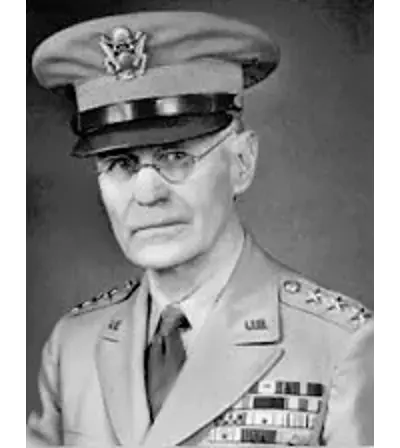
John Lesesne DeWitt was a general officer in the United States Army, best known for his vocal support of the internment of Japanese-Americans during World War II.
