Albert Schweitzer Quotes
A heavy guilt rests upon us for what the whites of all nations have done to the colored peoples. When we do good to them, it is not benevolence--it is atonement.
Schweitzer, Albert. On the Edge of the Primeval Forest. Translated by C.T. Campion, A. & C. Black, 1922, p. 171.


Abraham Lincoln in his famous eulogy to Clay in Springfield, IL, used this quotation.


Eldest son of Robert Walpole. Lord Dunmore, royal governor of Virginia, had issued a proclamation offering freedom to slaves willing to defend the Crown

The issue of slavery which had been suppressed in Congress for the first decades of the nation broke out when Missouri statehood was considered. By previous agreement, slavery was not even discussed in Congress but the time period elapsed. Tallmadge not only proposed that no more slaves could come into Missouri {613176} but most shocking to the Southerners was that every person born in the new state would be free at the age of 25. In a generation, there would be no more slavery in Missouri and there would be no economic compensation for slave owners at all. The House of Representatives accepted the amendment, but it failed in the Senate. At that time, Senators were not elected by voters but were appointed by the state legislators and the Southern slave states had a disproportionate share of the senate from a population point of view. But what this quotation shows clearly that a majority of the country in 1819 were opposed to slavery and were willing to end it without compensation.


Supervisors of black soldiers reminded them that

The Tuskegee Experiment was a low point in medical research ethics in American history. Black men who had contracted syphilis, were experimented with and not given treatment even after penicillin was developed, while they have never given their consent or in most cases even told they had the disease. Not only did many of them die, but 40 women contracted syphilis from the men who had never been told that they had the disease. The “experiment” was run by the United States Public Health Service.


The reason this quotation is important, it was the first time in American history that a President had tied racial discrimination to morality. Before that other Presidents had argued against segregation on pragmatic grounds or on legal, Constitutional grounds. Kennedy’s private moral declaration had a huge impact on Black leaders throughout the country who heard about it by word of mouth. That statement forged a bond between JFK and Blacks while most whites did not see anything striking in the statement.


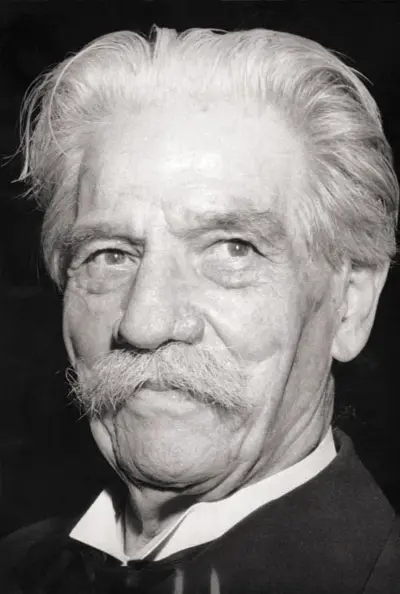
Ludwig Philipp Albert Schweitzer OM was an Alsatian polymath. He was a theologian, organist, writer, humanitarian, philosopher, and physician. A Lutheran, Schweitzer challenged both the secular view of Jesus as depicted by the historical-critical method current at this time, as well as the traditional Christian view. His contributions to the interpretation of Pauline Christianity concern the role of Paul's mysticism of "being in Christ" as primary and the doctrine of Justification by Faith as secondary.
