Aristotle Quotes
A good character carries with it the highest power of causing a thing to be believed.
Aristotle. Aristotle's Treatise on Rhetoric. Translated by Theodore Alois Buckley, Henry G. Bohn, 1850, p. 13.


In the early 21st century America’s world image, credibility, and popularity had plummeted to new lows. The George W. Bush administration spent millions of dollars on public diplomacy – public relations, propaganda, and image building using the techniques of Madison Avenue to change the world perception of America. Veteran diplomats like Kissinger advised that the Bush was going about it backwards. If America did the right things, world opinion would appreciate it and America’s credibility will follow as it has throughout most of the 20th century. Most foreign politicians and journalists tended to agree. It had been Bush’s policies and practices that had been disliked. They were understood, it was argued, and did not need to be better explained—just changed.

This is one of the proverbs of King Solomon of the Jews, son of King David.


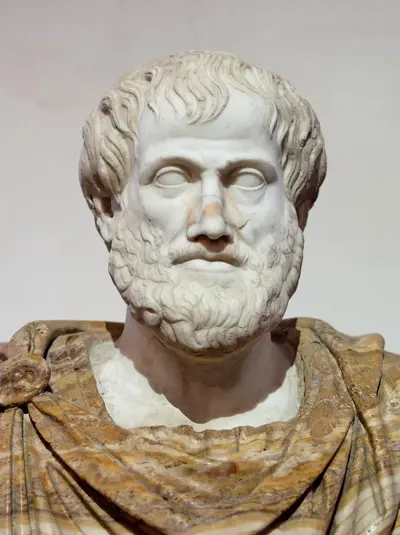
Aristotle (/ærɪˈstɒtəl/; Greek: Ἀριστοτέλης Aristotélēs, pronounced [aristotélɛːs]; 384–322 BC) was a Greek philosopher and polymath during the Classical period in Ancient Greece. Taught by Plato, he was the founder of the Lyceum, the Peripatetic school of philosophy, and the Aristotelian tradition. His writings cover many subjects including physics, biology, zoology, metaphysics, logic, ethics, aesthetics, poetry, theatre, music, rhetoric, psychology, linguistics, economics, politics, meteorology, geology and government. Aristotle provided a complex synthesis of the various philosophies existing prior to him. It was above all from his teachings that the West inherited its intellectual lexicon, as well as problems and methods of inquiry. As a result, his philosophy has exerted a unique influence on almost every form of knowledge in the West and it continues to be a subject of contemporary philosophical discussion.
