Mary Boykin Chesnut Quotes
A freshet in the autumn does not compensate for a drought in the spring.
Chesnut, Mary Boykin. Mary Chesnut's Civil War. Edited by C. Vann Woodward, Yale University Press, 1981, p. 611.


Even before the drought the California (and other Western States’) water distribution system has been unfair, inefficient, wasteful, and irrational. There is only so much to go around and the demand it greater. Farmers sometimes pay only 1 percent of the cost the state incurs for the water they us. And far less than poor city or suburban dwellers. Few California farmers use the efficient drip irrigation system developed in Israel. Some farmers get most of the water they want while others get nothing. The taxpayers in the rest of the country pay for the California cheap water while they themselves pay many times the cost of the water. Ironically, Conservatives who almost always want market based solutions oppose it in the case of water as then the large corporate farms would not have the huge water subsidy that they have now.
The nest year California Governor Jerry Brown imposed a form of water rationing.


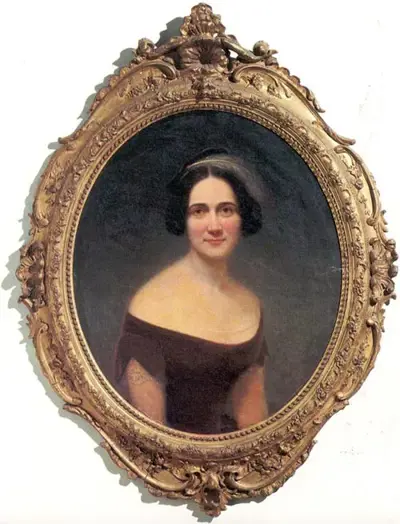
Mary Boykin Chesnut (née Miller) was an American author noted for a book published as her Civil War diary, a "vivid picture of a society in the throes of its life-and-death struggle." She described the war from within her upper-class circles of Southern planter society, but encompassed all classes in her book. She was married to a lawyer who served as a United States senator and Confederate officer. Chesnut worked toward a final form of her book in 1881–1884, based on her extensive diary written during the war years. It was published in 1905, 19 years after her death. New versions were published after her papers were discovered, in 1949 by the novelist Ben Ames Williams, and in 1981 by the historian C. Vann Woodward. His annotated edition of the diary, Mary Chesnut's Civil War (1981), won the Pulitzer Prize for History in 1982. Literary critics have praised Chesnut's diary—the influential writer Edmund Wilson termed it "a work of art" and a "masterpiece" of the genre—and the most important work by a Confederate author.
