Ralph Waldo Emerson Quotes
A certain degree of progress from the rudest state in which man is found,—a dweller in caves, or on trees, like an ape, a cannibal, an eater of pounded snails, worms, and offal,—a certain degree of progress from this extreme is called Civilization.
See {629123} for another of Emerson’s definitions of Civilization.
Ralph Waldo Emerson, 1803-1882, Poet & Essayist, Poem: Voluntaries, “American Civilization”, The Atlantic Monthly, April 1862
Sourced by: Eigen's Political and Historical Quotations

I have thought it a sufficient definition of civilization to say, it is the influence of good women.
Those societies where women have the least influence and are regarded with the least respect, tend to be the least civilized.


Darwin believed at the time that large populations were critical to national success and development. The next 100 years would prove that large population was a handicap to progress and real growth of standard of living.

Lieber in 1860 was assigned by President Lincoln to study the then international laws of war and prepare a manual for the guidance of union troops in the Civil War. Lincoln then issued the document as a general order, and much of today’s military rules of conduct came from that effort.

The magnificent result of modern civilization has been to extend the average lifespan of humans by decades. What Galton called “weakly lives” are those that were eradicated by smallpox, bubonic plague, polio and hundreds of other diseases and risks where we have strengthened mankind and not simply succumbed to all the many natural dangers. At the same time however, civilization has added risks and dangers to human life. Automobile crashes, industrial accidents and the like. The balance has been well in favor of “civilization.”


Ingersoll was considered to be the greatest orator and political thinker of his day, but his overt atheistic views curtailed his elected political career.


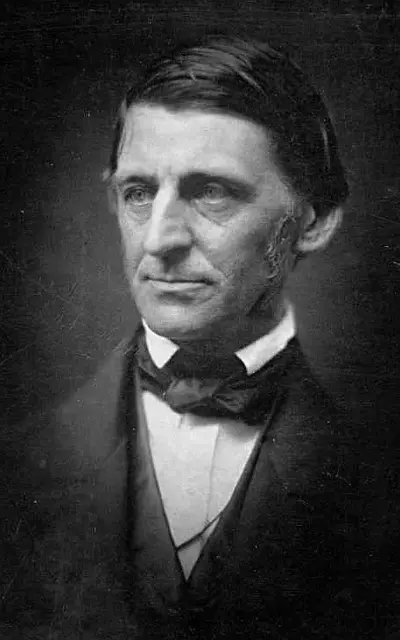
- Born: May 25, 1803
- Died: April 27, 1882
- Nationality: American
- Profession: Poet
Ralph Waldo Emerson, who went by his middle name Waldo, was an American essayist, lecturer, philosopher, abolitionist and poet who led the transcendentalist movement of the mid-19th century. He was seen as a champion of individualism and a prescient critic of the countervailing pressures of society, and he disseminated his thoughts through dozens of published essays and more than 1,500 public lectures across the United States.
