Clark M. Clifford Quotes
... an amiable dunce.
Referring to President Ronald Reagan:
Clark M. Clifford, 1906-1998, Presidential assistant, U. S. Secretary of Defense (Democrat), Quoted on PBS Frontline, April 21, 1992
Sourced by: Eigen's Political and Historical Quotations


Some of the founding fathers were deeply religious men while others were not so. Some varied in their believes at different times of their lives, and a number were not very facorable towards orthodox religion. At the time, Roman Catholic and Protestant churches were persecuting other religions throughout Europe and people were still being killed for their heretical beliefs. Most important to some of them, kings and other monarchs whom they abhorred, all at the time claimed the Divine Right of Kings and the established churches were the most important support for monarchs. At the time most organized religions were opposed to freedom of conscience and certainly opponents of separation of church and state. American churches tended to take on American values but were never given the chance to dominate the American government they way many had in Europe and the rest of the world.

Harding was not the brightest bulb on the political scene but was a very affable and personable man.


Compare his report with that of his counterpart of then rival Vietnam: {43139} and the Vietnamese Emperor: {607695}.


Characterizing White House Chief of Staff and fellow Republican Donald T. Regan:

1st Earl of Beaconsfield


Quoted by Thomas Reid, 1893

In the late 1930's Dwight Eisenhower served as an aide to MacArthur in the Philippines when President Quezon offered to make MacArthur "Grand Marshall of the Philippines" and Eisenhower thought it inappropriate for an American general officer to have such a grandiose title:

Referring to the Pension Benefit Guarantee Corporation:

The general was a delegate to the 28th Communist Party Congress in 1990.


Taft was not unintelligent. He was actually quite bright which is one of the reasons that TR selected him as VP and supported Taft for President in 1908. Taft did have an aversion to confrontation and political battle, and he was unable deal with the conservatives of his Party to maintain some independence and continue the TR progressive reforms. Roosevelt, who had been a very close friend of Taft, was disillusioned with the Taft Presidency and ran against him in the 1912 Republican Primary.


Train was an ardent supporter of Women’s Suffrage; however, he did not favor negro suffrage until they were sufficiently educated. He was also a Democrat. This alienated Garrison and other leading abolitionists. However Train was such an effective speaker for women’s rights that Anthony and her colleagues kept traveling with him on the lecture circuit. He was the one, for example, that initiated the creation of their periodical, Revolution.

See {620027} for an example of Feith’s logic.


Scott was not known for his intellect.
Few from the establishment then thought England could hold out.
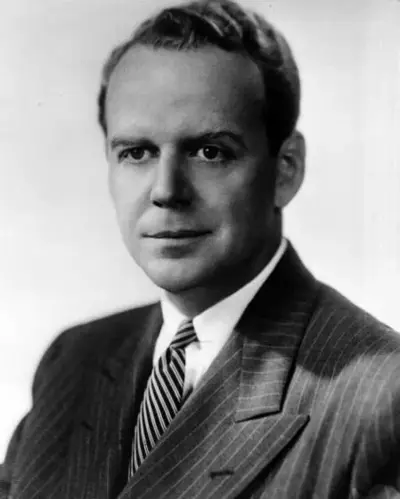
Clark McAdams Clifford was an American lawyer who served as an important political adviser to Democratic presidents Harry S. Truman, John F. Kennedy, Lyndon B. Johnson, and Jimmy Carter. His official government positions were White House Counsel (1946–1950), Chairman of the President's Intelligence Advisory Board (1963–1968), and Secretary of Defense (1968–1969); Clifford was also influential in his role as an unofficial, informal presidential adviser in various issues. A successful Washington lawyer, he was known for his elite clientele, charming manners, and impeccable suits.
