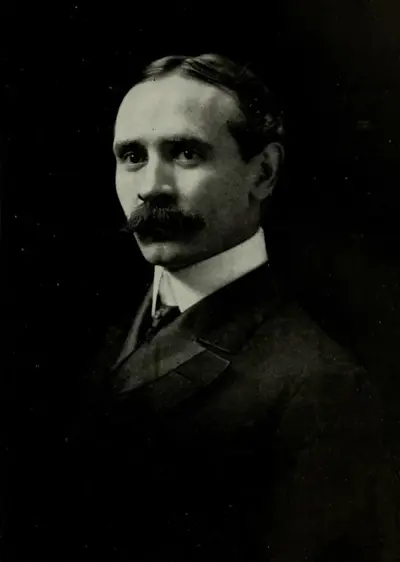
PAUL SAMUEL REINSCH
This principle has been promoted by almost every party and government in every democracy—and even in totalitarian nations, that had an aggressive foreign policy that and had domestic critics. By eliminating internal debate of the foreign policy or war policy, the government accomplishes two objectives. Foreign enemies, rivals and even friends perceive that the nation is much more united on the policies than it really is, and the administration does not have to spend time and effort fending off critics or opponents domestically. The price, as every nation has discovered, is not only more intense and sometimes violent opposition when things do not go right or as promised, but the nation tends to maintain a failed policy too long and does not change and minimize its damages. The Vietnam War in America was a classic example of both of these prices being paid dearly.