LOUISE REISS
(Louise Marie Zibold Reiss)
She led a study in the late 1950s where they collected 300,000 St Louis resident’s baby teeth with the ages of the time of collection and the data of birth. She and her colleagues were able to show that after each of the post WWII Nuclear Tests, the level of Strontium 90 increased in the teeth of the children. The results were published in the prestigious scientific journal Science in 1961. The study was presented to Congress by her husband—also a physician and it was also considered by President John F. Kennedy. It was also shared with the Russians and shortly thereafter the first of the Test Ban treaties was signed. At the time politicians had more respect for science than became the norm in the beginning of the 21st century but she retained her faith in the political process integrating and being informed by science. See {640558}.
She led a study in the late 1950s where they collected 300,000 St Louis resident’s baby teeth with the ages of the time of collection and the data of birth. She and her colleagues were able to show that after each of the post WWII Nuclear Tests, the level of Strontium 90 increased in the teeth of the children. The results were published in the prestigious scientific journal Science in 1961. The study was presented to Congress by her husband—also a physician and it was also considered by President John F. Kennedy. It was also shared with the Russians and shortly thereafter the first of the Test Ban treaties was signed. At the time politicians had more respect for science than became the norm in the beginning of the 21st century but she retained her faith in the political process integrating and being informed by science. See {640557}.
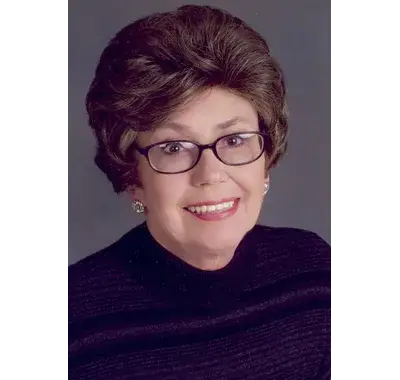
Louise Marie Zibold Reiss was an American physician who coordinated what became known as the Baby Tooth Survey, in which deciduous teeth from children living in the St. Louis, Missouri area who were born in the 1950s and 1960s were collected and analyzed over a period of 12 years. The results of the survey showed that children born in 1963 had levels of strontium-90 in their teeth that were 50 times higher than those found in children born in 1950, before the advent of widespread nuclear weapons testing. The findings helped convince U.S. President John F. Kennedy to sign the Partial Nuclear Test Ban Treaty with the United Kingdom and Soviet Union, which ended the above-ground testing of nuclear weapons that placed the greatest amounts of nuclear fallout into the atmosphere.
