JAMES BARRON
Opponents claimed that it would be dishonorable to negotiate with terrorist states and to pay ransom at any time. This tension between principle and empathy with American prisoners first emerged in the Barbary Wars, but has been with America ever since. Our policy position of honor vis a vis terrorists has been the same since then. We do not negotiate. However, exceptions have been made many times in American history, as it was here thanks to military leaders like Barron. This was the origin of the military tradition of never leaving Americans behind in when they have been captured in conflicts that was so contentious such as the Afghanistan and Iraq Wars.
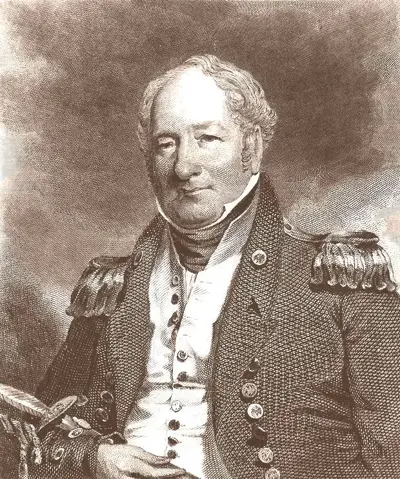
James Barron was an officer in the United States Navy. He served in the Quasi-War and the Barbary Wars, during which he commanded a number of famous ships, including USS Essex and USS President. As commander of the frigate USS Chesapeake, he was court-martialed for his actions during the Chesapeake–Leopard affair in 1807 which led to the surrender of his ship to the British. After criticism from some fellow officers, the resulting controversy led Barron to a duel with Stephen Decatur, one of the officers who presided over his court-martial. Suspended from command, he pursued commercial interests in Europe during the War of 1812. Barron finished his naval career on shore duty, becoming the Navy's senior officer in 1839.
