FRANCIS E. TOWNSEND
(Francis Everett Townsend)
In the midst of the Great Depression, Townsend had organized millions of Americans into “Townsend Clubs” to save money for their old age retirement. Townsend had proposed that the Government should run such a program where workers paid in every week and then all who were retired or disabled received $30 a week for like. There was no national pension plan at the time. When Townsend together with two right wing religious extremists formed the Union Party, the one vulnerability that the Roosevelt Administration felt it had was the lack of an old-age pension plan. Within a few days, Roosevelt proposed a new plan of the New Deal to Congress. It was called Social Security. It passed in record time.
In the midst of the Great Depression, Townsend had organized millions of Americans into “Townsend Clubs” to save money for their old age retirement. Townsend had proposed that the Government should run such a program where workers paid in every week and then all who were retired or disabled received $30 a week for like. Most economists of the time thought the Townsend old age pension plan unworkable: There was no national pension plan at the time. When Townsend together with two right wing religious extremists formed the Union Party, the one vulnerability that the Roosevelt Administration felt it had was the lack of an old-age pension plan. Within a few days, Roosevelt proposed a new plan of the New Deal to Congress. It was called Social Security. It passed in record time. See {616648} for Harry S Truman’s view of economists.
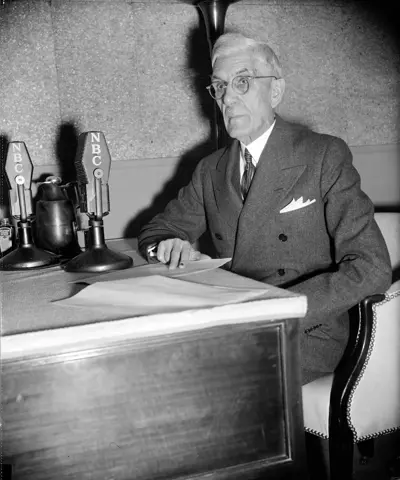
Francis Everett Townsend was an American physician who was best known for his revolving old-age pension proposal during the Great Depression. Known as the "Townsend Plan", this proposal influenced the establishment of the Roosevelt administration's Social Security system. He was born just outside Fairbury, Illinois, where he is memorialized by a post office named in his honor.
