CAROLINE ELIZABETH SARAH NORTON
(Caroline Elizabeth Sarah Norton, Lady Stirling-Maxwell)
One of the major motivations for abortion at that time in both England and the United States is the terrible stigma which a child born out of wedlock faced together with the mother. When the stigma of so called “illegitimate children” began to diminish, one of the causes of abortion weakened. Note, that like other feminist leaders of the time, she opposed abortion. However, between the economic pressures and the illegality of birth control devices and information provision, abortion was a critical decision that had to be faced by many women. Later, feminist leadership had to come to grips with the issue of who makes the decision in these areas, and placed the right of the woman to make these decisions, as opposed to husbands, fathers and government, as the highest priority. Then, when the drivers for abortion could not be eliminated, it was women who were criminalized. Feminists then fought for the right of abortion and the right of the woman to make decisions, but feminine leadership has never—in America—been advocates of abortion as opposed to the right of abortion, a subtlety that often is lost.
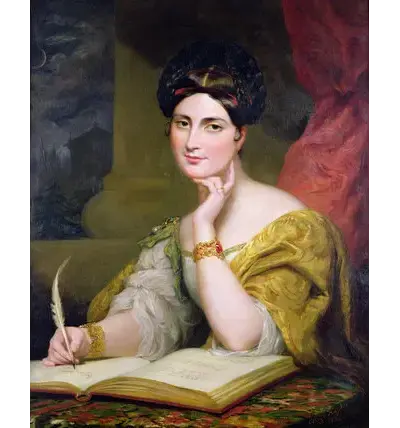
Caroline Elizabeth Sarah Norton, Lady Stirling-Maxwell was an English social reformer and author active in the early and mid-19th century. Norton left her husband in 1836, following which he sued her close friend Lord Melbourne, the then Whig Prime Minister, for criminal conversation (i.e. adultery). The jury threw out the claim, but she was unable to obtain a divorce and was denied access to her three sons. Norton's intense campaigning led to the passing of the Custody of Infants Act 1839, the Matrimonial Causes Act 1857 and the Married Women's Property Act 1870. Norton modelled for the fresco of Justice in the House of Lords by Daniel Maclise, who chose her because she was seen by many as a famous victim of injustice.
