ABU NUWAS
(Abū Nuwās al-Ḥasan ibn Hānī al-Ḥakamī)
Abu Nuas was not only gay but wrote much poetry about the beauty and love of homosexuality. He was a tutor to Caliph Muhammad al-Amin when the Caliph was a boy. The Caliph also had affairs with boys one of which was openly public. This Caliphate was a period of great scientific and cultural development in the Islamic world and at that time the Islamic world was the scientific and cultural leader of the world—far in advance of Christian Europe—still in the Dark Ages. Today, in most Islamic countries, and particularly Iran, homosexuals or those who write about it, if they get caught, are usually jailed or even executed—for the very activity that Abu Nuwas, a great Persian Poet and Abu Nuwas, the highest religious and civil authority in Islam openly engaged in. After about 1100. Islamic fundamentalists got control of the religion, closed the society to open inquiry and tolerance of ideas, and Islam has gone from the most advanced cultural and scientific culture in the world to one of the worst cultures in terms of modernism. Those Islamic fundamentalists who yearn for a return to the Caliphate know little about the history of that period or they would condemn it heartily. The situation is not dissimilar as for devout Roman Catholics who discovered that some Popes who were Saints were also libertines, married, had mistresses and children. In one case the son of the Pope himself became Pope. At first the reaction is to deny the happenings and ascribe to them falsehoods spread by enemies of the faith.
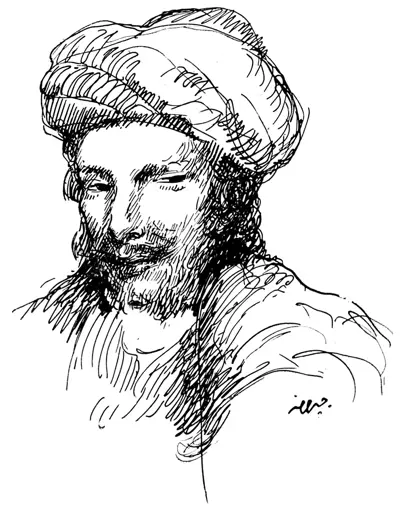
Abū Nuwās al-Ḥasan ibn Hānī al-Ḥakamī (variant: Al-Ḥasan ibn Hānī 'Abd al-Awal al-Ṣabāḥ, Abū 'Alī (الحسن بن هانئ بن عبد الأول بن الصباح ،ِابو علي), known as Abū Nuwās al-Salamī (أبو نواس السلمي) or just Abū Nuwās (أبو نواس Abū Novās); c. 756 – c. 814) was a classical Arabic poet. Born in the city of Ahvaz, in modern-day Iran, to an Arab father and a Persian mother, he became a master of all the contemporary genres of Arabic poetry. He also entered the folkloric tradition, appearing several times in One Thousand and One Nights. He died during the Great Abbasid Civil War before al-Ma’mūn advanced from Khurāsān in either 199 or 200 AH (814–816 AD).
