ABDULMECID I
(Abdulmejid I)
This is an amazing quotation in the sense that it shows the absolute manner in which the Ottoman Turkish Empire ruled the Islamic World in the Middle East and North Africa. The Sultan and Caliph had absolute rule over both the civil and religious areas of the Islamic world. In this decree, the Caliph actually gave an entire nation to his loyal servant, Muhammad Ali, who had acted as Governor of Egypt for the Sultan. Muhammad Ali was neither a Turk or an Egyptian. He was an Albanian, racially and ethnically totally different from the nation that became his. From then on, Muhammad Ali’s children would inherit the Egyptian throne. And they did and his dynasty lasted until the revolution in 1923. The Ottoman Empire was far more controlling and arbitrary than the British Empire and lasted much longer as the Ottoman Caliph controlled the Islamic religion as well as the civil nations.
A Capuchin monk and his Muslim servant had disappeared from the streets of Damascus just before the Jewish Passover. A rumor got started that Jews had kidnapped and murdered them so that they could use their blood in making the traditional Passover matzoh. This was an old disproven canard from the Middle Ages. This absurd lie, which persists in some Islamic nations, was referred to as the “Blood Libel”. However many Jews were rounded up and jailed with calls for their execution. Protests were made by countries the world over. Syria and the rest of the Middle East was then part of the Ottoman Empire. Van Buren mobilized the American diplomatic machinery in one of America’s first coordinated diplomatic campaigns in defense of human rights. It was successful. See {613358}.
The mosaics of Jesus and Mary at Hagia Sophia:
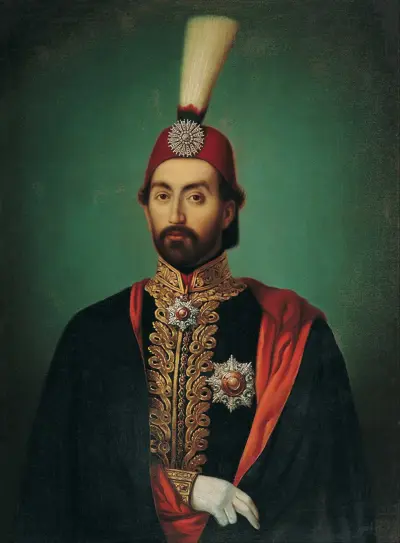
Abdulmejid I, was the 31st Sultan of the Ottoman Empire and succeeded his father Mahmud II on 2 July 1839. His reign was notable for the rise of nationalist movements within the empire's territories. Abdulmejid wanted to encourage Ottomanism among secessionist subject nations and stop rising nationalist movements within the empire, but despite new laws and reforms to integrate non-Muslims and non-Turks more thoroughly into Ottoman society, his efforts failed.
