William Cobbett Quotes
Without bread all is misery.
Cobbett, William. Cottage Economy. C. Clement, 1822, p. 61.

In 1921, there was a terrible famine in Communist Russia. The United States was ambivalent about humanitarian relief to the leading Bolshevik county while there were Communist supporters in the U. S. who were setting off bombs and calling for the overthrow of the democratic government. Herbert Hoover persuaded President Warren G. Harding that food aid relief was a moral obligation and would do much to weaken Bolshevism. 400 ARA Americans went to Russia and hired over 120,000 Russians to implement the relief program. Rarely in human history have this few people with the resources made available to them saved as many lives as Hoover and his staff did. A number of the Americans died in Russia from disease and those who survived worked under near impossible conditions. Ironically, while it created much good will towards the United States, many including Hoover suspected that the program and the pressure that the Americans put on the Soviet Government officials for more efficient administration may have forced the Soviet Government to learn how to organize much of othe society like the railroads, thus strengthening the Communist Party’s control over the country.


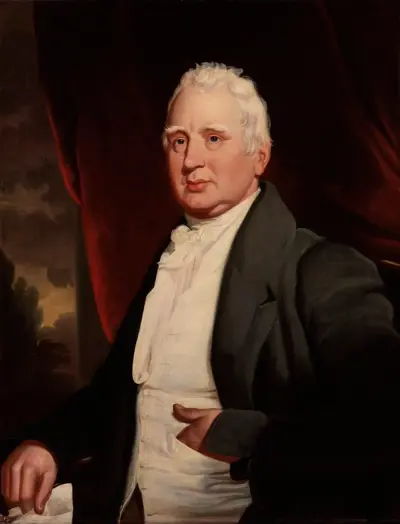
William Cobbett was an English pamphleteer, journalist, Member of Parliament and farmer born in Farnham, Surrey, one of a popular agrarian faction seeking to reform Parliament, abolish "rotten boroughs", restrain wanton foreign activity and increase wages, to promote domestic peace and ease poverty among farm labourers and smallholders. He backed lower taxes, saving, reversing enclosures of commons and resisting the gold standard of 1821. He sought an end to borough-mongers, sinecurists and "tax-eaters" (overpaid and corrupt bureaucrats, public servants and stockbrokers), and dismissed British Jews in a typecast by the same token. Early in life he was a soldier and devotee of king and country, but later pushed for a radicalism that helped to produce the Reform Act 1832 and gain him one of two seats in Parliament for the newly enfranchised borough of Oldham. He urged Catholic emancipation. He saw British agriculture and other economic output geographically. His polemics cover subjects from political reform to religion. His best known book is Rural Rides (1830, still in print). He argued against Malthusianism that economic betterment could support global population growth.
