Henry David Thoreau Quotes
Will mankind never learn that policy is not morality,--that it never secures any moral right, but considers merely what is expedient? chooses the available candidate,--who is invariably the devil,--and what right have his constituents to be surprised, because the devil does not behave like an angel of light? What is wanted is men, not of policy, but of probity,--who recognize a higher law than the Constitution, or the decision of the majority.
Thoreau, Henry David. "Slavery in Massachusetts." The Liberator, 21 July 1854.


He was not re-elected to a fifth term after the Kentucky leader who would not even bet on Kentucky Horse races, was found to have been in a long-term adulterous affair with Madeline Pollard.


The “compromise” admitted Misouri to the Union with the right to have slavery and Maine with the right to abolish slavery. The slave states had taken the position that states really had no right to abolish slavery at all, but they compromised on Maine. Many in the non slave states insisted on the aboloution of slavery everywhere, but compromised on Missouri. Luisa Adams, an implacable opponent of slavery on moral and religious grounds, condemned the compromise as politically expedient but morally bankrupt. She saw attempted compromise on the slavery issue as leading to disaster—current and future murder and degradation of human beings and postponing the issue until it would be out of hand.


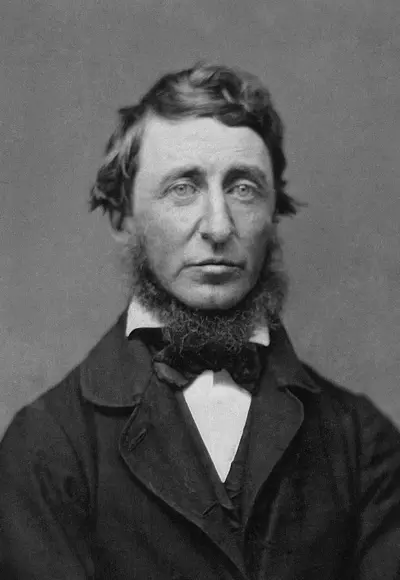
Henry David Thoreau was an American naturalist, essayist, poet, and philosopher. A leading transcendentalist, he is best known for his book Walden, a reflection upon simple living in natural surroundings, and his essay "Civil Disobedience" (originally published as "Resistance to Civil Government"), an argument for disobedience to an unjust state.
