James Hal Cone Quotes
While the rich reap most of the benefits of technological development, the poor bear an unequal burden of dealing with the consequences of the resulting increased pollution. The poor continue to live in greatest proximity to the sources of pollution, the infrastructure and machinery of industry. They work in the most polluted and physically dangerous workplaces. And these same individuals, living and working closest to the sources of environmental catastrophe, are also the ones most lacking decent health care.
Cone, James H. "Whose Earth Is It, Anyway?" CrossCurrents, vol. 50, no. 1/2, 2000, pp. 36-46.


Flint had declared bankruptcy and an Adminisrator was Appointed to work with the Governor & Mayor to administer the city, To save money, the administrator decided to close down the Flint water treatment facility and to use river water instead. The decision was a disaster in that the river watter interacted with the old lead piping of the city and leached lead into the drinking water thus in evvect poisoning it. The Governor and thestate EPA were slow and passive to deal with the situation. The fedral government as an interim step supplied bottled water and this task force was appointed.
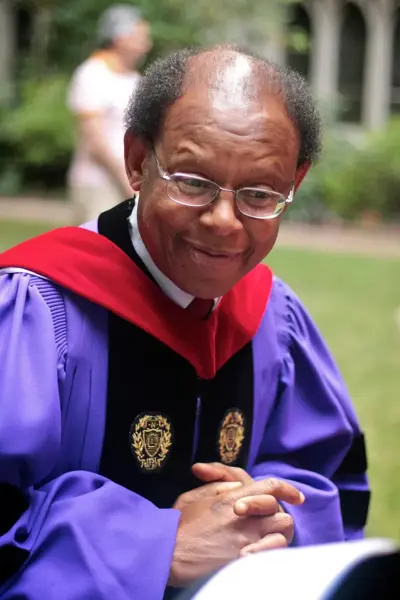
James Hal Cone (1938–2018) was an American theologian, best known for his advocacy of black theology and black liberation theology. His 1969 book Black Theology and Black Power provided a new way to comprehensively define the distinctiveness of theology in the black church. His message was that Black Power, defined as black people asserting the humanity that white supremacy denied, was the gospel in America. Jesus came to liberate the oppressed, advocating the same thing as Black Power. He argued that white American churches preached a gospel based on white supremacy, antithetical to the gospel of Jesus. Cone's work was influential from the time of the book's publication, and his work remains influential today. His work has been both used and critiqued inside and outside the African-American theological community. He was the Charles Augustus Briggs Distinguished Professor of Systematic Theology at Union Theological Seminary until his death.
