Judith Butler Quotes
Whether one wants to be free to live out a "hard-wired" sense of sex or a more fluid sense of gender, is less important than the right to be free to live it out, without discrimination, harassment, injury, pathologization or criminalization - and with full institutional and community support. That is most important in my view.
Butler, Judith. Interview by Cristan Williams. "Gender Performance: The TransAdvocate interviews Judith Butler." The TransAdvocate, 1 May 2014.


The power structure of England and the English administrators of South Africa were strong advocates of racial equality at the beginning of the 19th century. They insisted on equal administration of law. However the Boer white population could think of nothing more absurd. In a sense the Boers were much like the Southern Whites at the same time. The South African government however could not enforce its equality policies in the rural area – the majority of South Africa at the time. When democracy and self rule came to South Africa, the racially moderating force of the English was minimized and the majority of South Africans wanted a racially segregated society. Apartheid resulted.


She added a floor amendment which included sex as a prohibited form of discrimination in the Civil Rights Act of 1964.


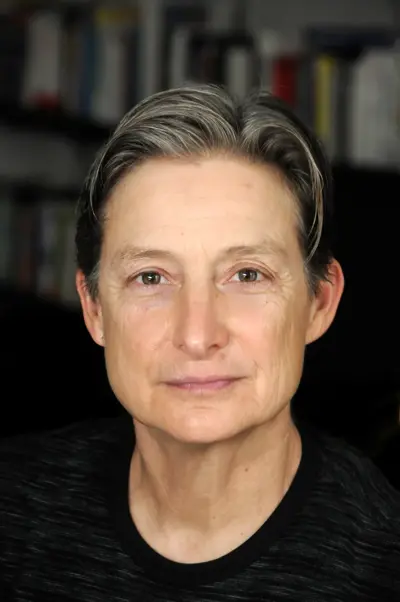
Judith Pamela Butler is an American philosopher and gender theorist whose work has influenced political philosophy, ethics, and the fields of third-wave feminist, queer, and literary theory. In 1993, Butler began teaching at the University of California, Berkeley, where they have served, beginning in 1998, as the Maxine Elliot Professor in the Department of Comparative Literature and the Program of Critical Theory. They are also the Hannah Arendt Chair at the European Graduate School.
