Michelangelo Antonioni Quotes
When I see nature, when I look into the sky, the dawn, the sun, the colors of insects, snow crystals, the night stars, I don't feel a need for God. Perhaps when I can no longer look and wonder, when I believe in nothing - then, perhaps, I might need something else. But I don't know what.
"Playboy Interview: Michelangelo Antonioni." Playboy, vol. 14, no. 11, Nov. 1967.


Einstein’s religious views were very sophisticated and unusual. He was a deist—a believer in God. He was of Jewish background and like some Protestant sects, Jews can interpret scripture and the nature of God as individuals. They need not follow a particular doctrine. However Einstein had a very complex vision of God—as he described it, the “God of Spinoza”—a 17th century Rabbi and Philosopher whose views were so radical that his books were banned and he was excommunicated by the Rabbis of Holland, a rarity in Judaism. This view of God is not the human-related form but a view of God as an abstraction everpresent and a prime mover inherent in nature, the world and in humanity.


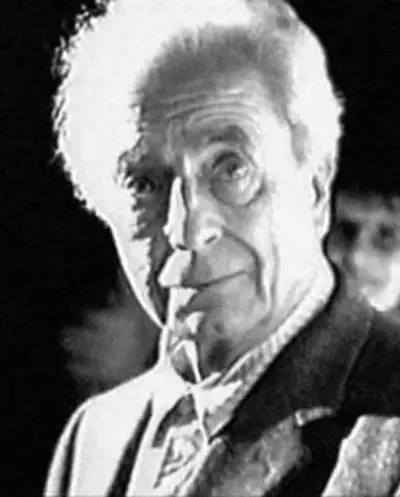
Michelangelo Antonioni Cavaliere di Gran Croce OMRI was an Italian film director, screenwriter, editor, painter, and short story author. He is best known for his "trilogy on modernity and its discontents" — L'Avventura (1960), La Notte (1961), and L'Eclisse (1962) — as well as the English-language films Blowup (1966) and The Passenger (1975). His films have been described as "enigmatic and intricate mood pieces" that feature elusive plots, striking visual composition, and a preoccupation with modern landscapes. His work would substantially influence subsequent art cinema.
