Jane Austen Quotes
Whatever bears affinity to cunning is despicable.
Austen, Jane. Pride and Prejudice. T. Egerton, 1813.

Marshall was one of the greatest soldiers who ever served America. He was the Chief of Staff throughout the Second World War and then served as Secretary of State. It was he who devised and implemented the Marshall Plan. McCarthy accused thousands of people of being disloyal including Marshall. He claimed to have lists of communists in the Army and other agencies of government, but never produced such lists. In addition to being a overbearing demagogue, he suffered (and died from) from a serious case of alcoholism. McCarthy’s false and irresponsible attacks eventually caused the Senate to censure him. That and his drinking destroyed his career. Marshall is remembered as one of America’s great figures.

Referring to the actions of United States Attorney General, Edwin M. Meese III, in the Wedtech case. This was a very unusual situation where a United States Attorney publicly admits to the bad behavior of a former Attorney General.

Referring to Richard M. Nixon:
Chil y Marango had studied the Spanish controlled Canary Islands showing some of the primitive behavior of early man there which did injury to the Church’s view of Adam and Eve and denial of any evolution. Ironically, today the Catholic Church accepts evolution as valid science and religion while some other churches do not.


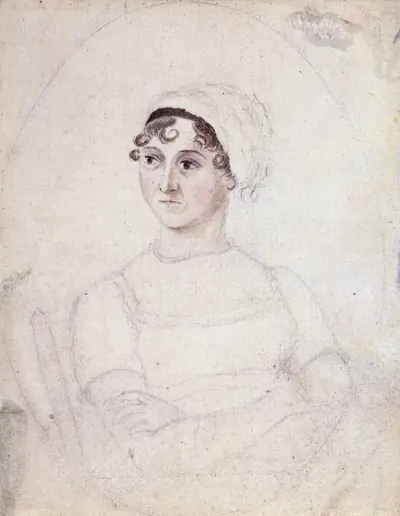
Jane Austen was an English novelist known primarily for her six major novels, which interpret, critique and comment upon the British landed gentry at the end of the 18th century. Austen's plots often explore the dependence of women on marriage in the pursuit of favourable social standing and economic security. Her works critique the novels of sensibility of the second half of the 18th century and are part of the transition to 19th-century literary realism. Her use of biting irony, along with her realism, humour, and social commentary, have long earned her acclaim among critics, scholars, and popular audiences alike.
