H. G. Wells Quotes
What, unless biological science is a mass of errors, is the cause of human intelligence and vigour? Hardship and freedom: conditions under which the active, strong, and subtle survive and the weaker go to the wall; conditions that put a premium upon the loyal alliance of capable men, upon self-restraint, patience, and decision. And the institution of the family, and the emotions that arise therein, the fierce jealousy, the tenderness for offspring, parental self-devotion, all found their justification and support in the imminent dangers of the young.
Wells, H. G. The Time Machine. William Heinemann, 1895, p. 63.


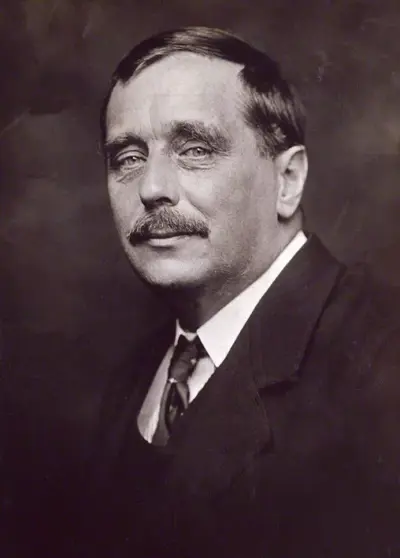
Herbert George Wells —known as H. G. Wells—was a prolific English writer in many genres, including the novel, history, politics, social commentary, and textbooks and rules for war games. Wells is now best remembered for his science fiction novels and is called a "father of science fiction", along with Jules Verne and Hugo Gernsback.[a] His most notable science fiction works include The Time Machine (1895), The Island of Doctor Moreau (1896), The Invisible Man (1897), and The War of the Worlds (1898). He was nominated for the Nobel Prize in Literature four times.
