Joel Coen Quotes
We don't have any rules about how we depict violence, or how much violence is in a movie. It's a calibration on a case-by-case basis.
Coen, Joel. Quoted in The Coen Brothers, by Ian Nathan, Aurum Press, 2012.


There is relatively little freedom of speech in Egypt and most Islamic countries where the traditional Sharia laws prohibiting blasphemy and the tradition of not publicly embarrassing the Caliph or the Sultan, combine to protect the modern Islamic state from criticism. Turkey, Tunisia and a few other Islamic states are exceptions. Under this Egyptian law anyone could be jailed for bringing “shame” to national and Islamic values. On September 6, 1981, the Egyptian Director of Public Health, Dr. Nawal El Saadawi was actually arrested and jailed for three months for saying that women were ill treated in Egypt and the rest of the Arab world. See {586710} for the kinds of statements for which Egypt would jail leading citizens.


The main reason for this difference is that that part of the American population which wants to keep sex and sexuality away from youth has more passion on the subject than that part of the population that is concerned with keeping violence away from young people.

He had just vetoed a bill to impose censorship on plays and dramas.


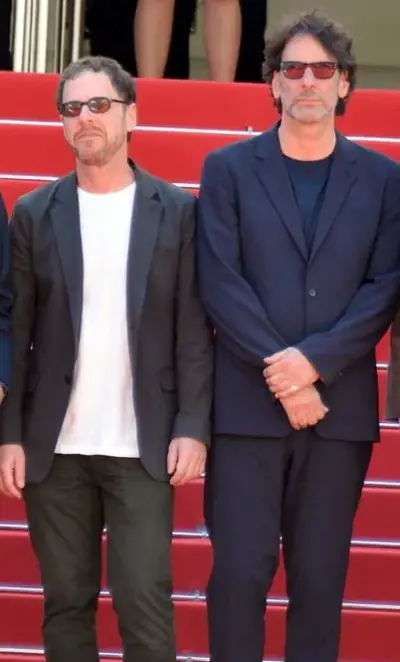
Joel Coen and Ethan Coen (born September 21, 1957), collectively referred to as the Coen Brothers (/ˈkoʊən/), are American film directors, producers, screenwriters, and editors. Their films span many genres and styles, which they frequently subvert or parody. Their most acclaimed works include: Raising Arizona (1987), Miller's Crossing (1990), Fargo (1996), The Big Lebowski (1998), O Brother, Where Art Thou? (2000), No Country for Old Men (2007), Burn After Reading (2008), A Serious Man (2009), True Grit (2010), Inside Llewyn Davis (2013), and The Ballad of Buster Scruggs (2018).
