Jane Austen Quotes
We all know him to be a proud, unpleasant sort of man; but this would be nothing if you really liked him.
Austen, Jane. Pride and Prejudice. T. Egerton, 1813.


This quotation tells us more about Nixon than Reagan. The latter was known for his extraordinary affability. Even his political enemies enjoyed and sought out his company. Nixon in contrast, no one liked to be around on a personal basis. His inner circle pandered to him to ingratiate themselves and jockey for power and influence but few liked him. Reagan and FDR are at the top of most people’s Presidential affability list while, Nixon fights it our with a few fro last place. Often brilliant at politics, Nixon’s people skills and his interpersonal perceptions were terrible.


that MacArthur should command the final assault on Japan. The Atomic Bomb later made the final assault unnecessary. Almost every officer who worked with MacArthur—except those on his personal staff—found him an overbearing egomaniac who was militarily capable, but nowhere near as capable as he saw himself. In success he rarely shared the limelight with anyone else, but would rarely take the blame when things were not as successful as all had hoped. Stimson and President Roosevelt had decided that MacArthur should lead the invasion on Japan, and discovered all this hostility amongst MacArthur’s colleagues. It was much easier to place MacArthur in charge of Post War Japan where he would not work that closely with so many senior officers throughout the services. He did a brilliant job governing Japan but still alienated other senior officers. MacArthur was so egotistical that he thought that he could run the country far better than FDR and in 1944 thought of running against the President.


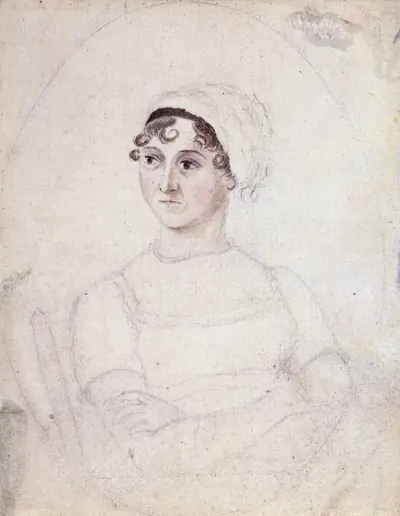
Jane Austen was an English novelist known primarily for her six major novels, which interpret, critique and comment upon the British landed gentry at the end of the 18th century. Austen's plots often explore the dependence of women on marriage in the pursuit of favourable social standing and economic security. Her works critique the novels of sensibility of the second half of the 18th century and are part of the transition to 19th-century literary realism. Her use of biting irony, along with her realism, humour, and social commentary, have long earned her acclaim among critics, scholars, and popular audiences alike.
