David E. Sanger Quotes
Unfettered markets eventually get out of whack.
Sanger, David E. The Inheritance: The World Obama Confronts and the Challenges to American Power. Harmony Books, 2009.


She had warned about the unregulated derivatives 10 years earlier, but to no avail. See {637987}. Then when she had been proven prescient in the Meltdown of 2008, Congress was more interested in how she thought they could prevent future problems with derivatives. Some were adopted but not all. The financial institutions claimed that they needed derivatives to hedge positions and hence “stabilize” the system. Of the members of Congress who voted on this issue, almost none understood derivatives and credit default swaps were and how they worked. But some were sure they were bad, and others were sure that they were necessary for stability. Derivatives can, and did, get so complicated that the people who originally created them sometimes cannot tell whether they are at risk or not. Even computer cannot calculate the value and risks of these instruments because the values and risks depend on what happens to other companies or instruments which themselves have derivatives insuring them. See {620038} for a good description of the difficulty.


The prime minister had a political and philosophical position that government should not interfere with or set or control pricing in the economy. However, a scandal broke out involving payday lending—short term lending the working class does to tide them over till pay day if they run out of money. Lenders were charging huge interest rates beyond anything that is conscionable. Cameron’s government placed controls on interest rates and other facets of that industry as they might have lost a vote of confidence in Parliament had they not acted. He was then questioned about the hypocrisy involved in his regulation, and he gave this amazing quotation, which was the classic reason for government price controls on the private sector that had been given by the Labor Party opponents for years. This also distressed extreme conservatives, who argue that market controls are always preferable to government controls.


The mantra was not heard much after the collapse of the ‘smart’ markets in 2008 and the ‘dumb’ governments had to come to the rescue of the economy all over the industrialized world.


Abd al-Rahman Ibn Mohammad. He is generally regarded to be the World’s first social scientist. The largest statue in Tunisia of not of a military leader of king, but of this social scientist.

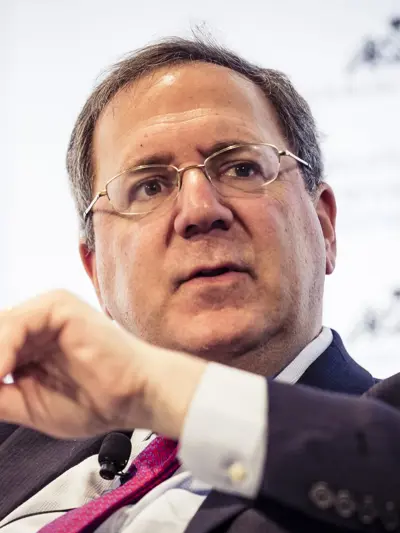
David E. Sanger is the chief Washington correspondent for The New York Times. A 1982 graduate of Harvard College, Sanger has been writing for the Times for 30 years covering foreign policy, globalization, nuclear proliferation, and the presidency.
