Benjamin Wittes Quotes
Trump fired Jim Comey because the most dangerous thing in the world, if you are Donald Trump, is a person who tells the truth, is dogged, you can't control, and who is as committed as Comey is to the institutional independence of an organization that has the power to investigate you.
Wittes, Benjamin. "Why Trump Fired Comey." Lawfare, The Lawfare Institute, 10 May 2017.


His reason for this statment (with which few others agreed) was that at best, the Special Prosecutor's investiation would distract the politicians, the media and the public from focussing on the great achievements of Trump and his administration, and at worst woud uncover some quasi scandal of Trump's years ago that would mortally damage is image and curtail or make innefective what Bannon thought was the most significant and important President in years. There were others who agreed about the consequense of the investigation but becasue Trump was probably guilty of dealing with the Russians improperly before he assumned the presidency and was mired in a hopeless tangle of business conflict of interest. To them, them curtailment of the Trump administration would be very good thing for the country so it could not have been a mistake for the nation, but for a sitting President the investigation and its aftermath mzy well prove to be a personal blunder although one that harmed Trump but benefitted the nation.

Roosevelt was responding to proposals that the Governor have the power to remove state and local officials for corrupt acts earlier in their career. With a number of big city political machines nominating and electing officials who had previously been convicted of corruption, there was a movement to give this authority to the Governor. In Boston, Mayor Curley was elected while he was in jail serving time for Corruption as an example. Still for FDR and many others, that was the prerogative of the electorate, and must not be usurped by a governor. In states where corruption was totally rampant, like Texas, the reformers passed laws making convicted criminals ineligible to serve in public office.


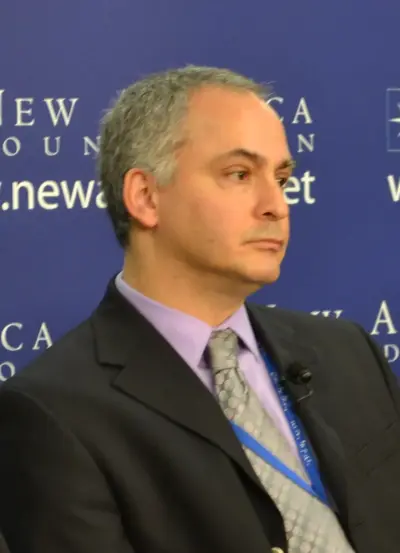
Benjamin Wittes is an American legal journalist and Senior Fellow in Governance Studies at the Brookings Institution, where he is the Research Director in Public Law, and Co-Director of the Harvard Law School–Brookings Project on Law and Security. He works principally on issues related to American law and national security. Along with Robert M. Chesney and Jack Goldsmith, Wittes cofounded the Lawfare Blog. Wittes is also a member of the Hoover Institution's Task Force on National Security and Law. Wittes is a frequent speaker on topics of detention, interrogation, and national security, before academic, government, policy, and military audiences. He also co-hosts the Rational Security podcast.
