Jo Becker Quotes
This is how a revolution begins. It begins when someone grows tired of standing idly by, waiting for history's arc to bend toward justice, and instead decides to give it a swift shove. It begins when a black seamstress named Rosa Parks refuses to give up her seat on a bus to a white man in the segregated South.
Becker, Jo. Forcing the Spring: Inside the Fight for Marriage Equality. Penguin Press, 2014, p. 1.

In the early 1950s, most of the South was racially segregated. Though hard to believe today, the Alabama law then required a Black man or woman to sit in the back of the bus. Rosa Parks, a black woman, sat in a seat in the middle of the bus and refused to give up her seat to a white man. She just quietly sat in her seat. She was arrested, and this triggered the Montgomery Bus Boycott of 1955 which was a major event in the Civil Rights struggle. Alabama was not the only state where this type of outrage occurred. The South at that time was relatively backward educationally, commercially, and legally and racial segregation was a huge problem in most of the South.


25 of the Union’s TWA Airline Workers in Memphis Tennessee had signed a petition to the Union objecting to the Union’s support for King’s desegregation campaign. Quill responded by inviting King to give the main address at the annual union convention. He was prophetic of the danger King faced, but died before King was assassinated.

He had written this text on a newspaper when he was jailed in Birmingham for violating a court order not to demonstrate. A common tactic of the Southern segregationists was to have local segregationist judges issue injunctions against civil rights demonstrations on the grounds that they would promote violence. These were generally unconstitutional, but King and others were jailed until the legal appeal could even be heard.

Freedom Rides were interracial groups of Civil Rights advocates who boarded public interstate busses in Washington and rode South through some of the most segregated communities in the country. As the bus stopped at the segregated rest stops, the Black Freedom Riders would use the “white” waiting rooms, toilets, and other facilities which was against the local custom and law. Racist segregationists often brutalized and assaulted the Freedom riders whose leaders demanded Federal Protection. The Attorney General and others were trying to get the local politicians and law enforcement officials to protect the Freedom Riders, but often these were the worst of the racist segregationists. Kennedy thought if he could have a “cooling off period” for a few days, he could persuade the locals to protect the Freedom Riders from the mobs with the threat of sending Federal Marshalls or troops for the protection. So he asked Farmer and other Freedom Ride organizers to stop the Freedom Rides for a few days. This was Farmer’s famous response. The Freedom Rides continued and forced the Federal Government to respond on a timetable they did not prefer.

King and his associates along with a large number of students were arrested for protesting racial discrimination in Selma. The Chief of police was told that this is just what King wanted. His was a deliberate attempt to get publicity by arresting and prosecuting a group of ministers and school children. So Chief Baker told King that they were not under arrest. So King went outside the jail where many journalists had congregated, hastily called a press conference, and publicly admitted to deliberately drawing attention to the conditions.


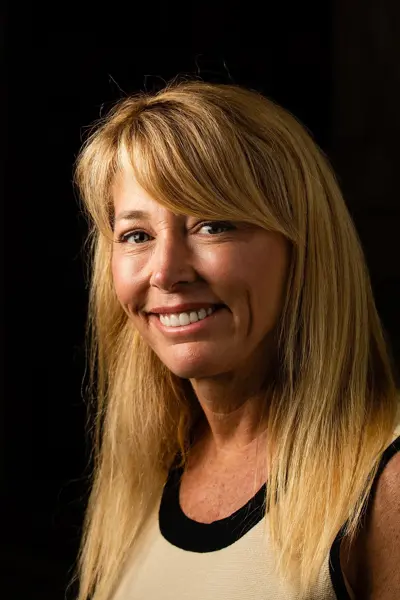
Jo Becker is an American journalist and author and a three-time recipient of the Pulitzer Prize. She works as an investigative reporter for The New York Times.
