Mary Heaton Vorse Quotes
They took a census of the floating unemployed on the East Side, which covered the homeless men. In the Municipal Lodging House, in the missions and shelters, in flop-houses and speakeasies where a man can stay all night, sleeping on sawdust, if he buys a drink… The regular salaried census takers had a force of between two and three hundred volunteers, divided up into teams…They are rounding up the misery of the East Side. …This is a queer census. It is a census of misery. It is the count of despair. In New York City for future reference they will tabulate the hopeless and put between covers of books how many men are wandering around shelterless, no prospect of jobs, no place to stay in the daytime, no place to sleep at night. How many are there - the wanderers from Municipal Lodging House to Salvation Army shelter, to flop-house, to speakeasy? How many are there sleeping in the subway or under the bridge at One Hundred and Eighty-fourth Street?
It was the middle of the Great Depression. The “census” counted 15,000 homeless men in a small area of New York City.
Mary Heaton Vorse, 1874-1966, Journalist, War Correspondent & Feminist, Newspaper Article Describing the Lawrence, MA, Textile Mill Strike, “School for Bums,” The New Republic, April 26, 1931
Sourced by: Eigen's Political and Historical Quotations

Hoovervilles were camps of people who lived in city parks or empty land. Tar paper shacks sheltered some—others lived in boxes. People had no work and no prospects of work; they had no money for rent; they just lived a meager existence as best they could under conditions that today exist only in the third world. They were named Hoovervilles for the President at the time whose ineptness and philosophy simply let things deteriorate. Republicans were critical of many of Roosevelt’s economic policies, but the president would periodically remind them and the nation of what the situation was when the Republicans last ran the country.


The Great Depression had worldwide reach. Just as Herbert Hoover and his followers felt that there was no role of the national government in dealing with the depression, Japan had a major faction that believed that the only thing to do was wait the economic cycle out. Hiranuma represented the more activist faction who saw the necessity of national government involvement.


This verse reflected the Great Depression of that time. Subsequently, as the American economy improved, it is rarely sung. In contemporary printed versions of the song, this verse is most frequently deleted.


The Irish landlords were a craven and greedy lot. See {639225}.
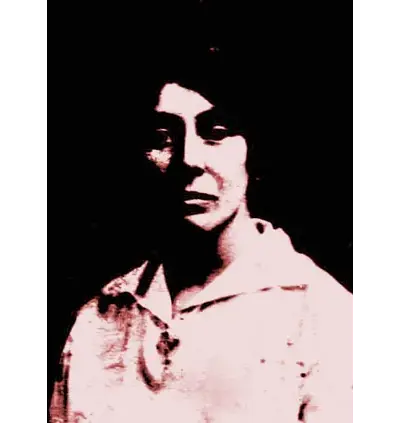
Mary Heaton Vorse O'Brien was an American journalist, labor activist, social critic, and novelist. She was outspoken and active in peace and social justice causes, such as women's suffrage, civil rights, pacifism (such as opposition to World War I), socialism, child labor, infant mortality, labor disputes, and affordable housing.
