William Godwin Quotes
They held it their duty to live but for their country.
Godwin, William. History of the Commonwealth of England: From Its Commencement, to the Restoration of Charles the Second. Vol. 1, Henry Colburn, 1824, p. 45.


Saloth Sar Pol Pot. He was responsible for the brutal killing of over 1 million of his own people.


Joseph Addison had earlier written of such a situation. Recent research has strongly suggested that Hale may never have said these words. The American patriots wanted to have heroes and may not have been too worried about the documentation and historical research. See {621112}


Compare Nathan Hale's last words.


Russell despised the Commission Chairman, Chief Justice Earl Warren and had refused to serve. Johnson changed Russell's mind. See Richard B. Russell.


The Poles were fighting the Russians. Pulaski was a Field Marshall. This was before he had come to America and fought in the American Revolution.

Theodore Roosevelt had just been nominated as Vice President and the Republicans were almost certain to win the general election. The Chairman was alsays very distressed by Roosevelt. The New York conservative Republicans leaders had pushed him out of the Governorship by getting him nominated as VP as NY business leaders were fearful of TR’s business reform ideas. Hanna worried that if TR ever reached a position of power, he would alienate business from the national Republican party. When McKinley was assassinated, Hanna’s worst fears were realized. See his reaction {585078}


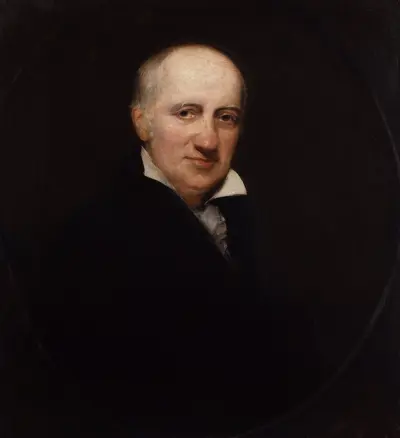
William Godwin was an English journalist, political philosopher and novelist. He is considered one of the first exponents of utilitarianism and the first modern proponent of anarchism. Godwin is most famous for two books that he published within the space of a year: An Enquiry Concerning Political Justice, an attack on political institutions, and Things as They Are; or, The Adventures of Caleb Williams, an early mystery novel which attacks aristocratic privilege. Based on the success of both, Godwin featured prominently in the radical circles of London in the 1790s. He wrote prolifically in the genres of novels, history and demography throughout his life.
