Sam Kean Quotes
There's not an emperor or artist out there I won't read a medical history of, even if - or especially if - the author uses that medical history to spin out wild counterfactuals about how wars or masterpieces might have turned out differently. They're like delicious philosophical mints to roll around inside your mouth, just to see how they taste.
Kean, Sam. The Violinist's Thumb: And Other Lost Tales of Love, War, and Genius, as Written by Our Genetic Code. Little, Brown and Company, 2012.


2nd Viscount Melbourne. This is a fascinating historical quotation for two reasons. First it shows the formality of address that is still used in England when communicating with the monarch. The queen would never be addressed by her name but by her title—“Your Majesty”. Rarely would the second person by used such s “you.” The Queen or King would also use the third person when referring t herself—“Her Majesty” Most fascinating is that the person writing to the monarch would also never use the first person—I. Nor would they use their family name like “William Lamb.” The correct form of address was to use their aristocratic title—“Lord Melbourne” or their Government title—“The Prime Minister. This quotation also reflects a very interesting thing about the Queen and her husband Prince Albert. They were both very young. At this time she was only 23. She was responsible for the largest empire in the world, yet had almost no experience and relatively little education in political and history. The Prince was better educated but came from Germany and did not know much of English history and politics. So they both devoted a part of each day to red together and learn. Victoria had asked Melbourne to recommend the books that he and the Prince would read. They took their responsibilities very seriously and unlike many rulers of heads f state, had no difficulty admitting their ignorance and worked hard to overcome them.


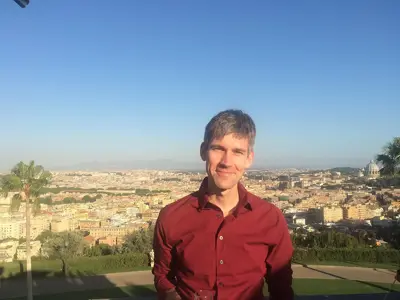
Sam Kean is an American writer. He has written for The New York Times Magazine, Mental Floss, Slate, Psychology Today, and The New Scientist. He has also published five books which discuss scientific discoveries in a narrative style. His books received positive reviews in The Wall Street Journal Library Journal, and The New York Times. He was born in Sioux Falls, South Dakota and lives in Washington, D.C..
